
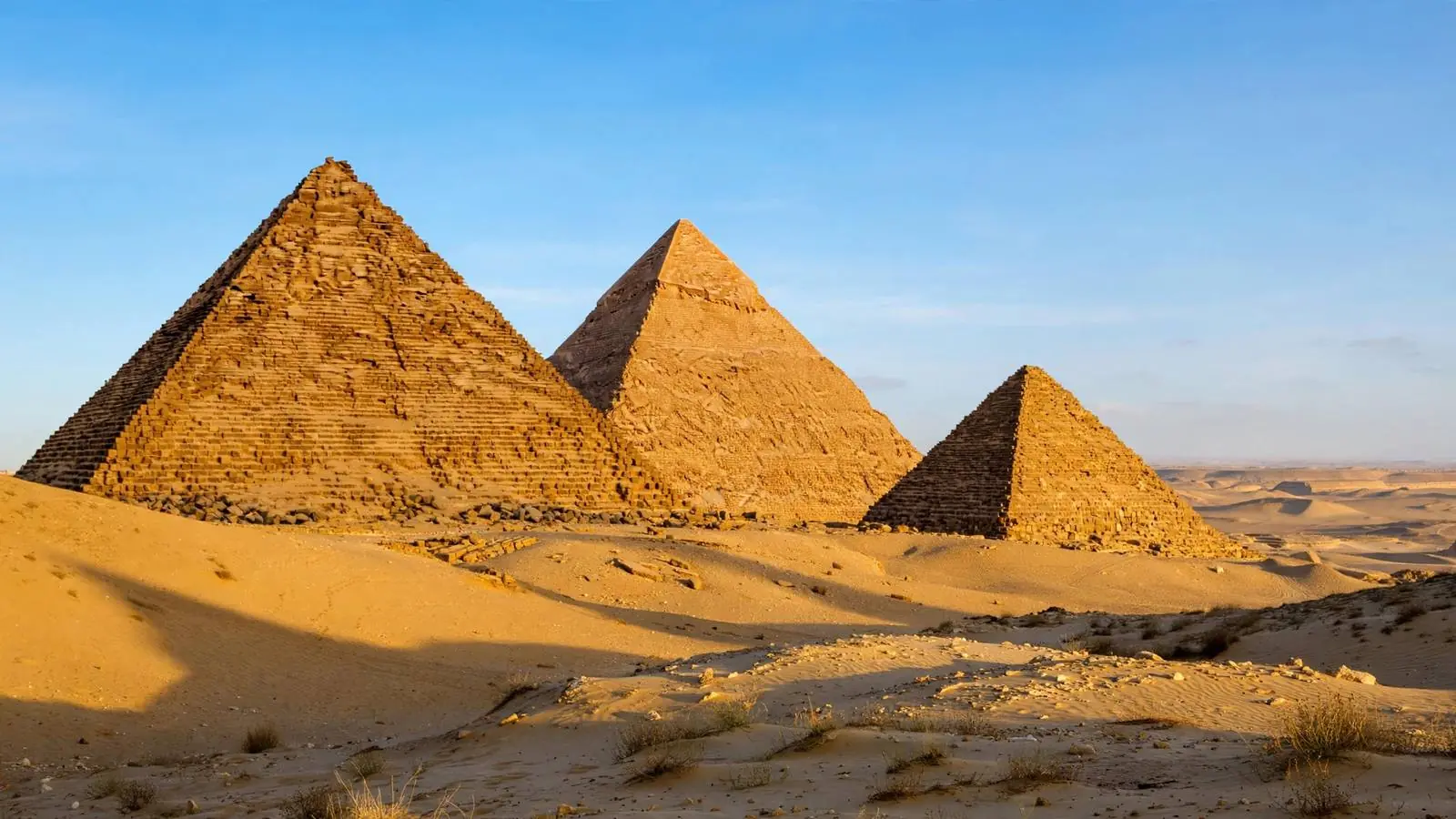
When is the best time to visit Egypt?
October through April. That's the short version, and for most travelers it's the right one. If you want the even shorter version: November or March, which give you the same fine conditions as peak winter with thinner visitor numbers and saner rates. Guides on the ground consistently flag October to November and February to March as the sweet spot months, and November in particular gets a lot of love for pairing full winter climate with pre-Christmas rates.
But "best" depends on what you're actually doing in the country. A Nile cruise, a Luxor temple circuit, and a Red Sea dive trip have different ideal windows. This guide breaks the year down season by season with real temperature readings, crowd levels, and costs, then matches months to trip types.
Quick takeaways:
- Top pick: November and March. Warm days (mid-to-high 20s°C), cool nights, manageable visitor numbers.
- Peak crowds and rates: December 20 to January 5, plus Easter week. Book months ahead.
- Cheapest stretch: June to August. Hotels often run 30 to 50% below peak, but Luxor can hit 42°C.
- Red Sea beach and diving: March to May and September to November. Best combination of warm water and comfort.
- Skip for sightseeing: July and August inland, unless you genuinely enjoy touring at 40°C plus.
| Season | Months | Cairo (day/night) | Luxor/Aswan (day) | Crowds | Prices |
|---|---|---|---|---|---|
| Winter | Dec to Feb | 18-20°C / 8-10°C | 23-25°C | Very high | Peak |
| Spring | Mar to May | 23-33°C / 11-19°C | 30-40°C | Medium | Shoulder |
| Summer | Jun to Aug | 36-37°C / 22-24°C | 40-43°C | Very low | Lowest |
| Autumn | Sep to Nov | 24-34°C / 14-22°C | 29-40°C | Low to medium | Shoulder |
Egypt in winter (December to February): the classic high season
Winter is when this destination is at its most famous — and its most packed. The capital sees daytime highs around 18 to 20°C with nights dropping to 8 to 10°C. Luxor and Aswan run warmer, 23 to 25°C by day and 10 to 12°C after dark. This is the climate the brochures promise: bone-dry, sun-drenched, made for wandering Karnak's colonnades without melting into the pavement.
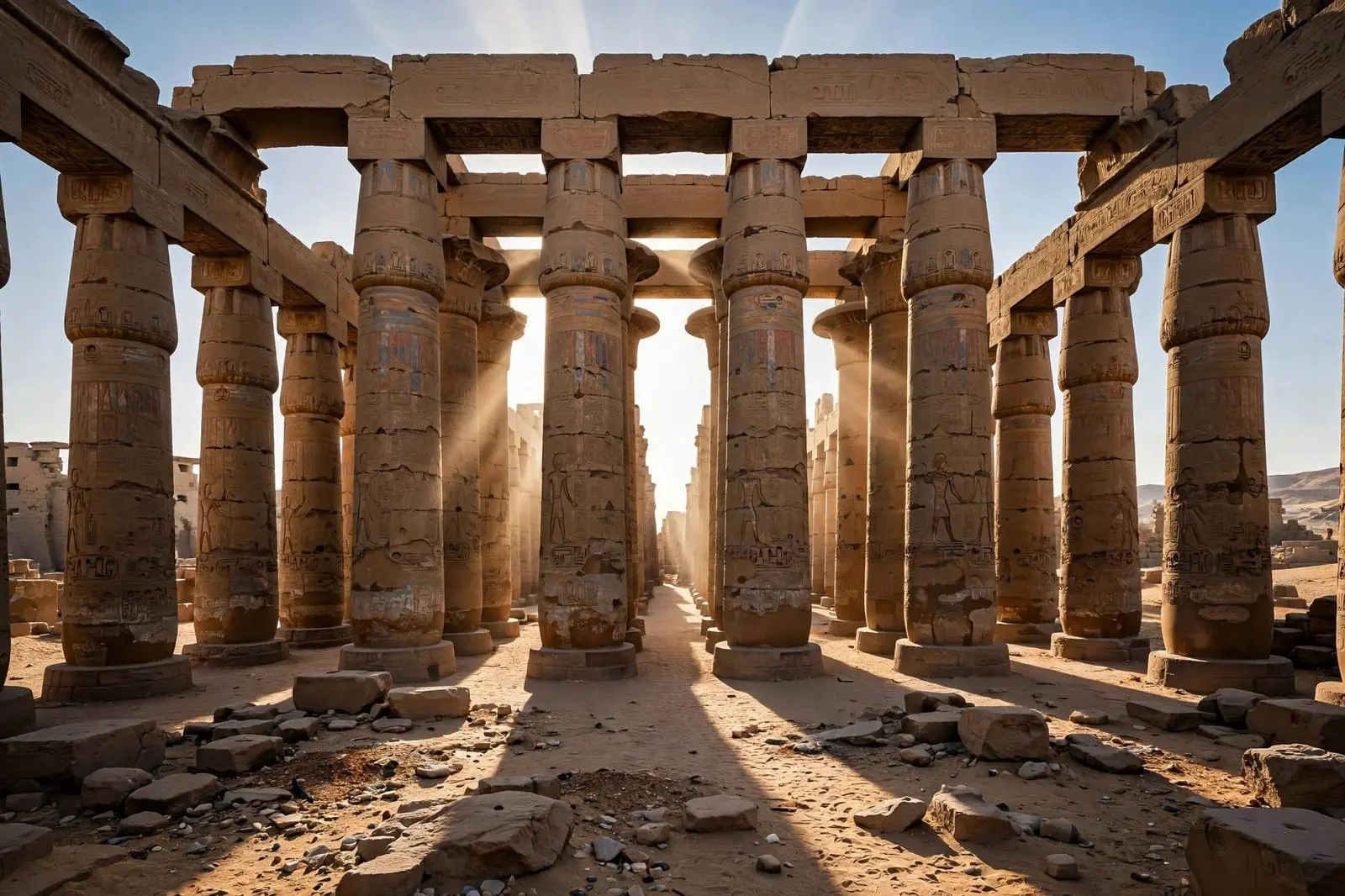
It's also when tariffs peak. The busiest fortnight of the entire year runs December 20 to January 5, when European and American holidaymakers converge. Accommodation in Luxor and Aswan hits its ceiling, Nile sailings sell out, and the queues at Giza and the Valley of the Kings stretch to their longest. If Christmas is non-negotiable, reserve everything months ahead and brace for lines.
February is the smarter move within winter. The conditions are nearly identical, but the post-holiday drop thins the masses and shaves costs.
And February 22 brings the Abu Simbel Sun Festival, when sunlight aligns to illuminate the inner sanctuary of Ramses II's great temple. One of the most famous phenomena in the country, repeated on October 22. If ancient temples are your reason for going, February pairs that event with genuinely pleasant touring conditions.
One practical note for cold-season travel: the day-to-night swing is dramatic. A T-shirt at noon becomes a fleece situation by evening, especially in the desert around Luxor. Pack layers or you'll be buying an overpriced scarf from a vendor with a smile.
Egypt in spring (March to May): the heat builds
March is arguably the single finest month to make the trip. The capital hits 23°C, Luxor reaches 30°C, the Red Sea is warming up, and visitor numbers are moderate.
The khamseen complicates spring: a scorching, sand-laden wind sweeping through between mid-March and mid-May. Not daily, but when it hits, the mercury can push toward 40°C and visibility tanks. Schedule outdoor sites for early morning and you'll barely notice.
April and May are when inland areas start getting serious. Luxor climbs to 36 to 40°C, and the capital's afternoons hit 28 to 33°C. These are shoulder months for pricing, so hotels get cheaper and the footfall thins.
For the Red Sea coast, though, April and May are excellent. Hurghada and Sharm el-Sheikh hover around 30 to 33°C with bath-warm water and crystalline diving visibility. Liveaboard operators run full schedules, and the reefs are at their most vibrant before the summer plankton bloom.
Easter week spawns a mini-peak, mostly European travelers, so check dates for late March or April trips.
Egypt in summer (June to August): extreme heat, extreme deals
Let's be blunt: the hot months inland are not a holiday, they're an endurance event. July and August bring Luxor and Aswan highs of 40 to 43°C, with the capital at 36 to 37°C. Sightseeing means dawn starts, a retreat indoors from noon to 4, and re-emerging at dusk. The Valley of the Kings at 42°C is something you will remember. Probably not with affection.
But those scorching weeks make a genuine case for two kinds of visitor. First, the budget-conscious: lodging runs 30 to 50% below peak tariffs, and you'll wander temple complexes nearly alone.
Second, Red Sea travelers: the coast (36 to 37°C in Hurghada and Sharm) is hot but manageable, the water is at its warmest, and diving conditions are superb. Many divers consider summer the prime season. You just don't go near Luxor.
If you go in summer, do not plan a Nile cruise or a temple-heavy itinerary. Those are winter activities. The hot months are for the sea.
Egypt in autumn (September to November): the return of the good months
September is still scorching inland (40°C in Luxor) but the trend is your friend. The mercury eases week by week, the sea stays warm, and visitor numbers remain low.
October is when the season properly turns. The capital reaches a pleasant 30°C, Luxor sits around 36°C, and the October 22 Abu Simbel Sun Festival gives you a reason to be at the far southern border. Multiple guides call October and November the sweet spot for most kinds of trips here: comfortable conditions, manageable footfall, rates that haven't yet hit December levels.
November is the month I'd pick if someone handed me one choice. Luxor at 29°C, the capital at 24°C, the Red Sea still warm at 26°C, and cruise season running at full strength. Winter's quality without winter's crush.
The best month for a Nile cruise
October to April is the cruising window, with vessels running their full schedules and daytime highs that stay under 26°C along the river in the core months.

December and January sailings are the priciest and most crowded, so reserve well ahead. For identical itineraries at friendlier tariffs, November and March are the savvy choice: equivalent climate, noticeably calmer decks, and often better cabin availability. The Luxor-to-Aswan route (typically 4 nights) and the longer Aswan-to-Luxor variant both operate year-round, but the winter schedule packs in extra departures. Shoulder-season cruisers also dodge the Christmas logjam at Esna Lock, where convoys of vessels queue during peak weeks.
The best time for the Red Sea (diving, snorkeling, beaches)
The Red Sea is the year-round cheat code. Sea temperatures range from about 22°C in the cold season to 28°C in the hot season, so diving and snorkeling work every month. Winter just means a thicker wetsuit.

The finest all-round stretch is March to May and September to November: warm air, warm water, clear visibility, and moderate costs. High summer brings the warmest water and the finest diving conditions but with 36 to 37°C air readings. Winter offers fewer people and mild days around 23 to 25°C in Sharm.
The cheapest time to visit Egypt
June through August wins on cost. Hands down. Hotels 30 to 50% below peak, cheap flights, empty temples. September and May offer the better compromise: genuinely lower rates without genuinely dangerous heat.
One exception to the hot-season bargain rule: the Red Sea resorts hold their tariffs better than inland hotels because Europeans still flock there.
Visiting Egypt during Ramadan
Ramadan lands inside peak travel season these years — worth understanding before you book. In 2026, it ran February 18 to March 20, with Eid al-Fitr on March 21. Expect roughly February 7 to March 9 in 2027.
Sites stay open (some close an hour or two earlier), tourist restaurants and hotels serve food during the day, and the streets come alive after sunset. Lantern-lit streets and special Ramadan dishes like konafa and katayef appear only this month. Ramadan nights in Cairo are electric — arguably the most atmospheric time to be there.
The only real friction: some daytime eateries close, and tours may start earlier. Ramadan is a feature, not a problem.
The worst times to visit Egypt
Ranking the months to avoid, worst first:
1. July and August (inland): 40 to 43°C in Luxor and Aswan. Temple sightseeing is genuinely punishing without extreme precautions. Fine for a Red Sea-only trip.
2. The Christmas to New Year fortnight (if you're price-sensitive): the single most expensive and crowded stretch of the year. Great climate, punishing logistics.
3. Late March to April (khamseen days): not bad in general, but spring sand winds can ruin specific days outdoors. Just build flexibility into your plan.
Methodology: how this guide was put together
This guide combines published climate tables (Ramses Tours, Egypt Day Trips), crowd and rate patterns reported by tour operators (Pyramids Land, The Travel Tinker), and the festival calendar (Abu Simbel Sun Festival dates, Ramadan dates per Odyno Tours). Temperature figures are long-run monthly averages; actual conditions vary year to year. Judgments about which months suit which travelers are the author's, based on how those inputs line up.
Frequently Asked Questions
Is January too cold for Egypt?
Not for sightseeing — it's prime time. The capital reaches 18°C by day, Luxor 23°C. Evenings drop to 8–12°C, so pack something warm. Only beach-goers will find it chilly.
Can you swim in the Red Sea in winter?
Absolutely. The sea hovers around 22°C in January and February. Bracing, but fine for a dip, and European divers are down there all season. Bring a wetsuit if you're snorkeling for hours.
Is it safe to visit Egypt in the summer heat?
Along the Red Sea, sure — it's standard beach heat. But inland, past 40°C around Luxor and Aswan, you need to take it seriously. Dawn-only sightseeing, constant hydration, serious sunscreen. Anyone with health issues should give inland summers a miss entirely.
When should I book hotels for a winter trip to Egypt?
Three to six months out for December–January Nile sailings and Luxor/Aswan stays — they really do fill up. February and March need two to three months. Summer? Book a few weeks ahead and you'll be fine.
Does it rain in Egypt?
Hardly ever. The Nile Valley is essentially rainless year-round. Expect the odd brief shower in the capital or Alexandria between December and February. It won't touch your plans.
Is November really the best month to visit Egypt?
For the best all-round compromise, yes: proper winter climate without the Christmas markup or the holiday hordes. Chasing a single ideal month with no festival agenda? November wins.
How long should I spend in Egypt?
Ten days nails the classic loop: three in the capital (Giza, the Grand Egyptian Museum), four cruising or temple-hopping between Luxor and Aswan, three on the Red Sea. Under a week and you're picking between the capital and the south.
Bottom line
This is a cold-season destination with a hot-season escape hatch. Temples and tombs the priority? Aim for October through April, choosing November or March to sidestep the peak-season surcharge. Red Sea the priority? Nearly any month works. Just don't assume July covers everything. It doesn't — and Luxor's 40-degree afternoons aren't the character-building exercise you signed up for.
Sources: climate tables from Ramses Tours and Egypt Day Trips; crowd and rate guidance from Pyramids Land and The Travel Tinker; Ramadan dates from Odyno Tours and Wego.