
- US, UK, EU, Canadian, and Australian citizens enter visa-free for up to 90 days. Bring a passport (required since 2025); no e-visa system exists yet.
- Closed currency: the dinar cannot be bought before arrival or taken out of the country. Exchange euros or dollars after landing, use ATMs in cities, and keep your exchange receipts if you want to convert leftovers back.
- The louage (shared minibus taxi) is the backbone of Tunisian travel: cheap, fixed government prices, and it leaves when full. Faster and more useful than the trains.
- A realistic mid-range budget is $70–110 per day. Major site entries run about 10–15 dinars ($3–5), which is absurdly good value for what you get.
- April–May and September–October are the best months. Summer is punishing in the south and packed on the coast; winter is mild and cheap but can be rainy in the north.
Tunisia is the North Africa trip most people skip in favor of Morocco, and that is precisely what makes it good. The Roman ruins here embarrass the ones in Rome, and the blue-and-white cliffside village costs a fraction of its Greek lookalikes.
You get emptier Sahara dunes, calmer medinas, and a full day of sightseeing plus dinner that rarely cracks fifty dollars.
It is also less polished. Signage at ruins can be thin, English is patchy outside the resorts, and the south runs on patience and shared taxis. Both things are true at once.
This guide covers the practical side: visas, money, timing, bases, sights, scams, and food. For official entry and transport updates, Discover Tunisia is worth bookmarking. Five to seven days covers the classic circuit; add a few more if the desert is calling.
Visa and entry
Getting in is simple for most Western passports.
- US, UK, Canadian, Australian, and most EU citizens: visa-free for tourist stays of up to 90 days. Canadians and Germans get up to four months. Since January 2025, a valid passport is mandatory for entry: national ID cards are no longer accepted.
- Other nationalities: citizens of India, Pakistan, Nigeria, and several other countries must apply at a Tunisian embassy before travel; no functioning e-visa exists yet.
Your passport should be valid for at least six months from entry, and border officers commonly ask for a return or onward ticket plus proof of accommodation. Keep a hotel booking handy on your phone.
Tunis-Carthage Airport (TUN) sits about 15–20 minutes from central Tunis. A taxi to the center costs roughly 15–25 dinars. Agree on the price before you get in, or ask the driver to run the meter. There is also a bus into town for a couple of dinars if you arrive in daylight and travel light.
When to go
Tunisia has three climates stacked north to south (Mediterranean coast, drier center, full Sahara), so timing depends on your itinerary.
April–May: The best window for most trips. Tunis sits around 20–26°C, wildflowers show up in the north, the desert is warm without being punishing, and the beach resorts have not yet filled with package tourists. This is when I'd go.
July–August: Hot and crowded on the coast. Tunis pushes 33–35°C, the south regularly passes 40°C, and the beach towns fill with European package tourism. Prices peak. If these are your only dates, build the trip around the coast and the water, not the ruins and the desert.
September–October: The second-best window. September brings the warmest sea of the year, thinning crowds, and temperatures that settle back into comfortable. October is arguably the single best month for a mixed itinerary: ruins, cities, and still-warm beaches.
November–March: Mild and cheap, with real tradeoffs. Tunis hovers around 15–17°C with periodic rain; the north can be genuinely grey. But the desert is at its most pleasant, hotel prices crater, and you will have places like Dougga nearly to yourself. Desert camps get chilly after dark.
Where to stay
Pick your base by what you want the trip to be. Most first-timers split time between Tunis and one other stop.
Tunis (the medina or Ville Nouvelle): base yourself here for at least three nights. The medina has atmospheric dar guesthouses inside the old walls: beautiful but labyrinthine. The Ville Nouvelle (around Avenue Habib Bourguiba) has conventional hotels, easier navigation, and the best restaurants. First trip: the Ville Nouvelle is lower-friction; the medina is more memorable.
Sidi Bou Said / La Marsa: the upscale coastal suburbs 20 minutes north by light rail. Pretty, quiet, pricey by Tunisian standards. Good for a splurge night, less good as a main base.
Sousse or Monastir: if you want the trip to lean beach-plus-ruins. Sousse is bigger and livelier with a UNESCO-listed medina; Monastir is smaller and calmer. Both sit within easy reach of El Djem. Skip Hammamet's resort strip unless you specifically want a package week — the old town is nice, the resort zone could be anywhere.
Djerba: worth 2–3 nights for a slow beach ending, or for winter sun when the north is grey. Not essential on a first visit otherwise.
Douz or Tozeur: for the Sahara leg. Douz is the classic "gateway to the desert" town; Tozeur is the oasis city with the striking old town. One night in either, as part of a desert excursion, is enough unless you are doing a multi-day trek.
What to see and do
You cannot see all of Tunisia in a week. Here is the shortlist that earns its reputation, with the honest caveats.
The medina of Tunis. A UNESCO-listed site and one of the best-preserved old cities in the Arab world, with around 700 monuments in its lanes. That includes the Zitouna Mosque (non-Muslims can enter the courtyard for a small fee) and souks that still function as real markets rather than tourist theater.
It is denser and more working-class than Morocco's showpiece medinas, which is exactly its charm. Give it a full day. The haggling is gentler than Marrakech, but the opening price is still fiction.
The Bardo Museum. Home to the largest collection of Roman mosaics in the world, set in a 19th-century beylical palace. Closed for two years, it reopened in 2023 after renovation (some galleries were still being reorganized through 2025, so check what is open before you go).
The mosaics will stop you in your tracks, and entry costs around a dozen dinars. The single best museum in North Africa, and it is not close.
Carthage. The UNESCO-listed ruins are spread across a leafy seaside suburb, 20 minutes from Tunis on the TGM light rail. Manage expectations: Carthage was razed by Rome, so what you see is mostly Roman. The enormous Antonine Baths, the amphitheater, the Tophet (the Punic cemetery, genuinely somber), Byrsa Hill.
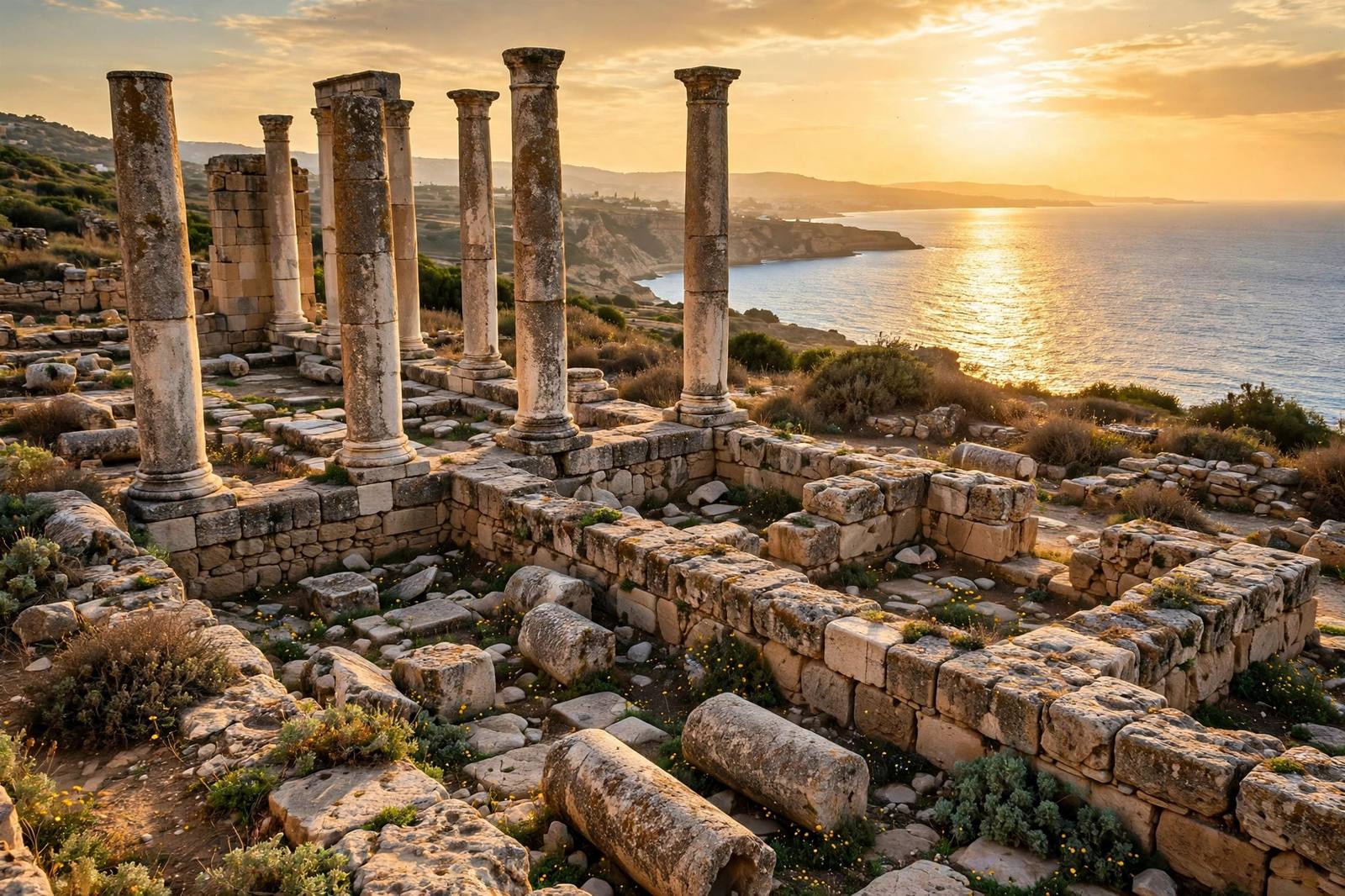
One multi-site ticket of around 12 dinars covers the main sites. A pleasant half-day of wandering; the sea views from Byrsa Hill are worth it on their own.
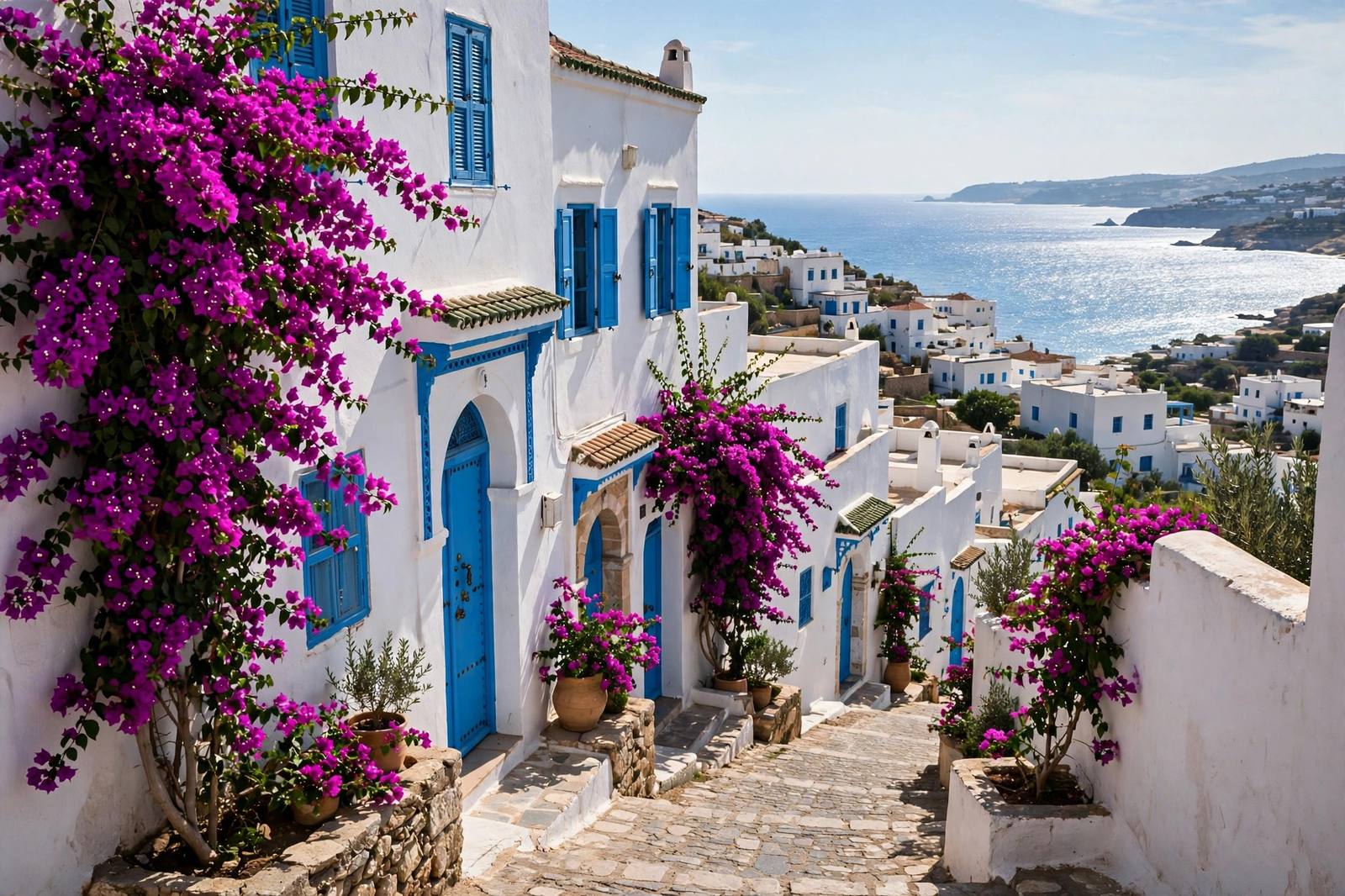
Sidi Bou Said. The famous blue-and-white cliffside village above the Gulf of Tunis. As pretty as the photos, and crowded by midday, so go early or at sunset. Have coffee at the historic Café des Nattes. Twenty minutes from Tunis by TGM; pair it with Carthage in a single day.
El Djem. The reason to leave Tunis. This UNESCO-listed amphitheater is the third-largest in the Roman world and better preserved than the Colosseum. You can walk the underground chambers where gladiators waited, then climb to the upper tiers with almost no crowds.
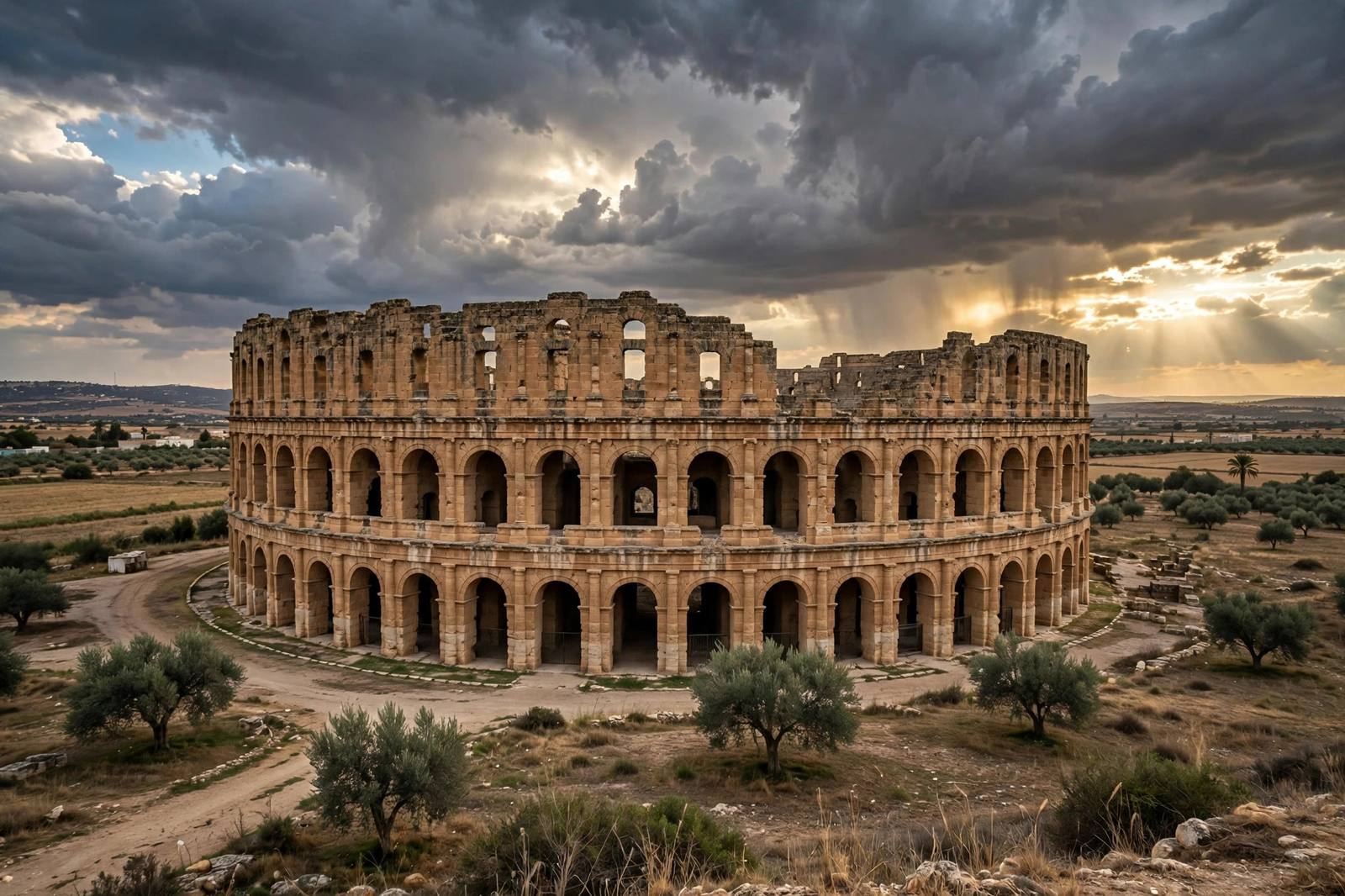
Entry is about 12 dinars, and the attached museum holds excellent mosaics. Go early, bring water, give it two hours. If you only do one day trip, make it this one.
Dougga. The best-preserved Roman small town in North Africa, and a UNESCO site most tourists never reach: forum, theater, temples, and a Capitol in rolling farmland, often nearly empty. A longer day trip from Tunis that rewards the effort.
Kairouan. Islam's fourth holiest city, founded in 670 AD, and a UNESCO World Heritage site. The Great Mosque of Uqba, one of the oldest places of worship in the Islamic world, admits non-Muslims to its vast courtyard for a small fee (not the prayer hall).
Dress accordingly: the medina here is quieter and more conservative than Tunis. Kairouan is also the home of makroudh, the date-filled semolina pastry. Buy it warm from a street vendor.
Douz and the Sahara. Douz markets itself as the gateway to the Sahara, and the dunes start essentially at the edge of town. The classic move is an overnight camel trek: sunset ride out, dinner and drumming at a desert camp, sunrise ride back.
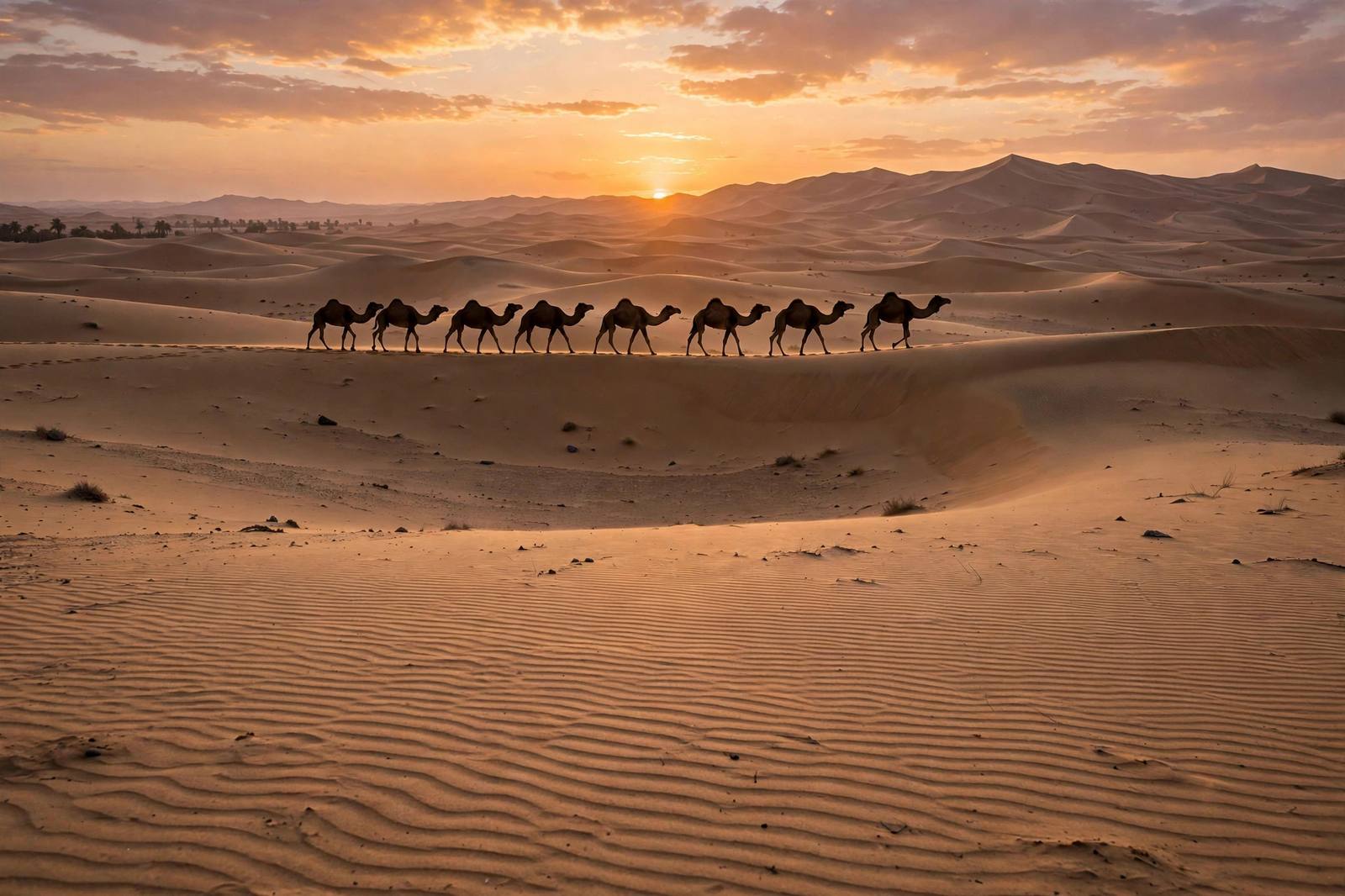
Two-day organized tours from the coast run roughly $130–170 per person including transport, meals, and the desert night; booking directly in Douz is cheaper. Honest caveat: this is the desert's front porch, not its deep interior. But the front porch still has the night sky, which is the real show.
Tozeur and the Star Wars south. Tozeur's old quarter is built from patterned brickwork found nowhere else. Nearby Chebika, Tamerza, and Mides are mountain oases worth a half-day 4x4 trip.
The Mos Espa set at Ong Jemal is out here, slowly being reclaimed by the desert. Matmata's troglodyte cave dwellings, including the Hotel Sidi Driss (Luke Skywalker's home), make a good hour-or-two stop on a southern loop.
Djerba. The island at the southeastern corner: beaches, the Houmt Souk market town, the 2,500-year-old Ghriba synagogue (one of the oldest in Africa), and Djerbahood, a whole village of street art in Erriadh. Relaxed to the point of sleepy, which is the appeal, and a good winter-sun option when the north is cold.
Skip the Yasmine Hammamet resort strip and any carpet-shop "tour" a stranger offers in the medina.
A 6-day itinerary
For a first trip, I'd do this:
Day 1: Tunis medina. Arrive, settle in, and spend the afternoon getting lost in the medina: Zitouna courtyard, the souks, the old gates. Dinner in the Ville Nouvelle. Do not plan anything ambitious on arrival day.
Day 2: The Bardo + the Ville Nouvelle. Morning at the Bardo (go early; tour groups arrive late morning). Afternoon along Avenue Habib Bourguiba: the cathedral, café culture. Sort onward transport today: louage stations, train times.
Day 3: Carthage + Sidi Bou Said. TGM light rail north. Morning among the Carthage sites (Antonine Baths first, then Byrsa Hill), lunch with a sea view, afternoon in Sidi Bou Said for the light and the blue doors. Back in Tunis for dinner.
Day 4: El Djem. Day trip south: train or louage, about 2 hours from Tunis. Amphitheater in the morning, museum after lunch, back by evening. Or overnight in Sousse and fold in its medina.
Day 5–6: The Sahara. This needs two days minimum. Head south to Douz or Tozeur (long travel day, louage or organized tour), overnight camel trek or desert camp, then return via Kairouan and Matmata if doing the loop by tour. If the desert does not interest you, spend these days on Djerba or slow down in Tunis.
Budget: what it actually costs
Tunisia is one of the best-value destinations in the Mediterranean — the dinar's weakness against the euro and dollar does most of the work for you:
| Budget | Mid-range | |
|---|---|---|
| Accommodation | $10–20 (hostel/guesthouse) | $50–100 (hotel/dar) |
| Food | $8–15 (street food, local spots) | $25–40 (restaurants) |
| Transport | $3–8 (louages, metro, TGM) | $10–25 (taxis, occasional private driver) |
| Sights | $3–8 (site entries) | $5–12 (entries + guides) |
| Daily total | $30–50 | $70–110 |
Money specifics worth knowing:
- Closed currency: you cannot buy dinars before arrival, and it is illegal to take them out of the country. Exchange euros, dollars, or pounds after landing; euros get marginally better rates. Spend or convert leftovers before departure, and keep exchange receipts: you need them to convert dinars back. Never use street money-changers.
- ATMs are widespread in cities and tourist areas and accept foreign cards, with per-transaction limits around 400–600 dinars. Use ATMs attached to bank branches where possible, and protect your PIN. ATM muggings are reported.
- Site entries are almost comically cheap: major sites (Bardo, Carthage, El Djem) run about 10–15 dinars ($3–5). Official guides at big sites cost roughly 30–80 dinars and are worth it where signage is thin.
- Louages between cities cost roughly 5–25 dinars depending on distance; local taxis run a few dinars per ride. A camel trek add-on in Douz is about 35 dinars; a 4x4 excursion to the mountain oases around 70.
- Cards work in hotels, supermarkets, and mid-range restaurants in cities. Everywhere else — medinas, taxis, cafés, small towns — is cash. Always carry dinars.
- Tipping: 5–10% at restaurants if service is not included; round up taxi fares; a dinar or two for porters.
Getting around
Louages are the system to learn. These white shared minibuses (red stripe for long-distance, blue or yellow for regional) run between every town in the country. No timetables: the louage leaves when its 8 or 9 seats fill, which usually means a wait under half an hour on popular routes.
Prices are fixed by the government, so you will not get scalped. Find the "Station de Louages" (usually near the bus or train station), buy a ticket, get in. They stop running in the early evening, so do not leave long trips late.
They drive fast and the air conditioning is the open window. That is the deal, and it is a good one.
Trains (SNCFT) connect Tunis with Sousse, Monastir, Sfax, and El Djem. Cheap and fine, but slower and less frequent than louages, and they do not reach Kairouan or the deep south.
The TGM light rail connects Tunis to Carthage, Sidi Bou Said, and La Marsa, about 1 dinar each way. This is your Day 3 transport, sorted. Tunis's trams cover the capital adequately; its yellow taxis are metered. Insist on the meter or agree on a price first, especially at night.
Buses (SNTRI and others) run comfortable air-conditioned coaches between major cities, a solid backup to louages, bookable in advance in peak season. Domestic flights connect Tunis to Djerba and Tozeur; worth considering for Djerba, since the overland trip is long.
Renting a car gives you the south on your own terms: Dougga, the mountain oases, and the desert loop are all easier with wheels. Tunisian driving is assertive; if that does not sound like you, hire a driver for the southern legs instead (roughly $50–90 per day for the vehicle).
Food: what to eat
Tunisian food is underrated, full stop. The essentials:
- Couscous: the Friday dish, traditionally eaten after midday prayers. Fluffier and spicier than its Moroccan cousin, usually with lamb or fish and a serious harissa situation.
- Brik: a thin pastry fried around a runny egg, tuna, capers, and parsley. Eat it with your hands, let it drip, do not wear white.
- Lablabi: the Tunis street-food institution: chickpea soup with cumin, harissa, a soft egg, tuna, and stale bread torn in. Costs almost nothing and fixes everything. Find it in the medina at lunch.
- Ojja (chakchouka): eggs poached in spicy tomato and pepper sauce, scooped up with bread. Breakfast of champions.
- Tajine: not the Moroccan stew; Tunisia's version is closer to a baked egg-and-meat frittata. Do not confuse the two out loud in either country.
- Seafood: the coast delivers — grilled fish and shrimp at harbor restaurants for a fraction of European prices.
Eat where the workers eat: the gargottes (no-frills local canteens) serve the best cheap food in the country. Tourist restaurants near the sights charge double for half the flavor; walk two streets over. Wash it down with mint tea — the pine-nut version (thé aux pignons) is the Tunisian signature.
Scams and safety
The honest picture: the main tourist circuit (Tunis, the coast, the desert loop) is calm and heavily policed, and most visitors have zero problems. But Tunisia carries a Level 2 "exercise increased caution" advisory from the US State Department (updated May 2026), and you should know what sits behind it.
The 2015 attacks at the Bardo Museum and a Sousse beach resort killed dozens of tourists. Security since then has been visibly tightened, with checkpoints on southern roads and police at major sites.
Do-not-travel zones are real: the areas near the Algerian and Libyan borders, the Chaambi mountain region, and the desert south of Remada (a military zone requiring permits). None of these are on a normal itinerary. Do not freelance into them.
Petty crime is the realistic concern: pickpocketing in the medina and markets, and scooter snatch-and-grabs targeting phones and dangling bags. Keep your phone out of your back pocket, carry your bag on the building side, and use bank-attached ATMs in daylight.
The classics, still running:
- The unofficial guide. Friendly men attach themselves to you at ruins and in the medina and start narrating. If you did not ask for a guide, a firm "la, shukran" (no, thank you) and keep walking. If you want one, agree on the price before they start — not after.
- The carpet/boutique detour. The conversation that ends at his cousin's shop. Genuine chats do not come with a destination.
- The taxi meter. "Broken" meters and invented flat rates, especially at the airport and late at night. Meter on, price agreed upfront, or walk away.
Solo female travelers visit in large numbers. Tunisia is relatively liberal by regional standards, but expect some attention, especially in the south and Kairouan. Sunglasses, a calm tone, and confident body language handle most of it.
Dress modestly in religious cities and rural areas. And carry your passport or a copy: police checkpoints on southern roads will ask for it.
Culture and etiquette
A few habits that make the trip smoother:
- Mosques: most are closed to non-Muslims entirely. The exceptions (Zitouna's courtyard in Tunis, the Great Mosque's courtyard in Kairouan) admit visitors outside prayer times for a small fee. Cover shoulders and knees, remove shoes where required. Friday midday is the main prayer — plan around it.
- Ramadan: if you visit during it, do not eat or drink conspicuously in public during daylight hours in conservative areas. Tourist zones are more relaxed, but discretion costs nothing.
- Bargaining: expected in souks and medinas, not in shops with price tags. Start around half the asking price, keep it friendly, be willing to walk away.
- Photography: ask before photographing people. Do not photograph police, military, checkpoints, or government buildings.
- Language and greetings: Arabic is official, French runs daily life. A handshake, "salam" or "bonjour," and a few French phrases change the entire texture of the trip.
- Alcohol: available in hotels, tourist restaurants, and licensed shops, but not in traditional local eateries. Heavily taxed — a beer costs multiples of what dinner does.
What to pack
- Comfortable walking shoes with grip. Medina lanes are uneven, ruins are dusty, Carthage involves hills.
- Layers: expect a breezy coast even in summer, cold desert nights from October to March, and real rain up north in winter.
- Modest clothing for Kairouan and religious sites — shoulders and knees covered.
- Sunscreen and a hat. Shade at archaeological sites is basically nonexistent.
- A scarf or shawl — useful for mosques, sun, wind, and cold louages alike.
- Small bills and coins. Breaking a 50-dinar note for a 2-dinar coffee will not make you popular.
Frequently Asked Questions
How many days do I need in Tunisia?
Five days covers the classic circuit: Tunis medina, the Bardo, Carthage and Sidi Bou Said, and El Djem. Seven days adds the Sahara overnight — the highlight for most people. Under four days you are rushing; over ten you are either beach-bound or going deep south.
Is Tunisia safe for tourists?
The main tourist circuit is calm and heavily policed, and violent crime against visitors is rare. Petty theft and scams are the realistic risks. That said, Tunisia sits at Level 2 "exercise increased caution" on the US advisory, and the Algerian/Libyan border regions plus parts of the interior are genuine no-go zones. Stick to the established circuit and check your government's current advice before you go.
When is the best time to visit Tunisia?
April–May and September–October for most trips: comfortable everywhere, manageable crowds. October is the sweet spot for a mixed ruins-and-beach itinerary. July–August is beach season on the coast but brutally hot in the south. November–March is cheapest, with mild days in the north and ideal desert weather, but expect some rain and cold nights.
Can I use euros or dollars in Tunisia?
Not directly: the dinar is a closed currency, so merchants must price in dinars. Exchange on arrival (euros get the best rates), use ATMs in cities, and pay by card in hotels and larger restaurants. Carry cash for medinas, taxis, and small towns. Spend or convert your dinars before leaving, since you cannot take them out.
Is the tap water safe to drink?
No. Drink bottled or filtered water everywhere — it is cheap and available in every shop. Ice in tourist restaurants is generally fine.
Is Tunisia or [Morocco](/articles/visiting-morocco) better for a first trip to North Africa?
Different trips. Morocco is bigger, more varied, more polished for tourism, and more demanding. Tunisia is more compact, cheaper, calmer, and stronger on ancient history. Maximum sights per day with minimum friction: Tunisia. The grand, chaotic, full-spectrum experience: Morocco. Tunisia first, Morocco second is a perfectly good order.
The bottom line
Tunisia is the rare destination that is both underrated and accurately rated: the people who go tend to love it, and there are simply not enough of them.
A week here buys you a UNESCO medina, the world's best Roman mosaics, an amphitheater that puts Rome's to shame, a blue-and-white village on a cliff, and a night under Saharan stars. For less than a long weekend in most of Europe.
The tradeoff is polish. You will wait for louages, mime your way through some conversations, and find the occasional closed gallery. Accept that going in, and Tunisia pays you back with interest. Go in April or October. Learn a little French. Bring cash and patience. The mosaics alone are worth the flight.