
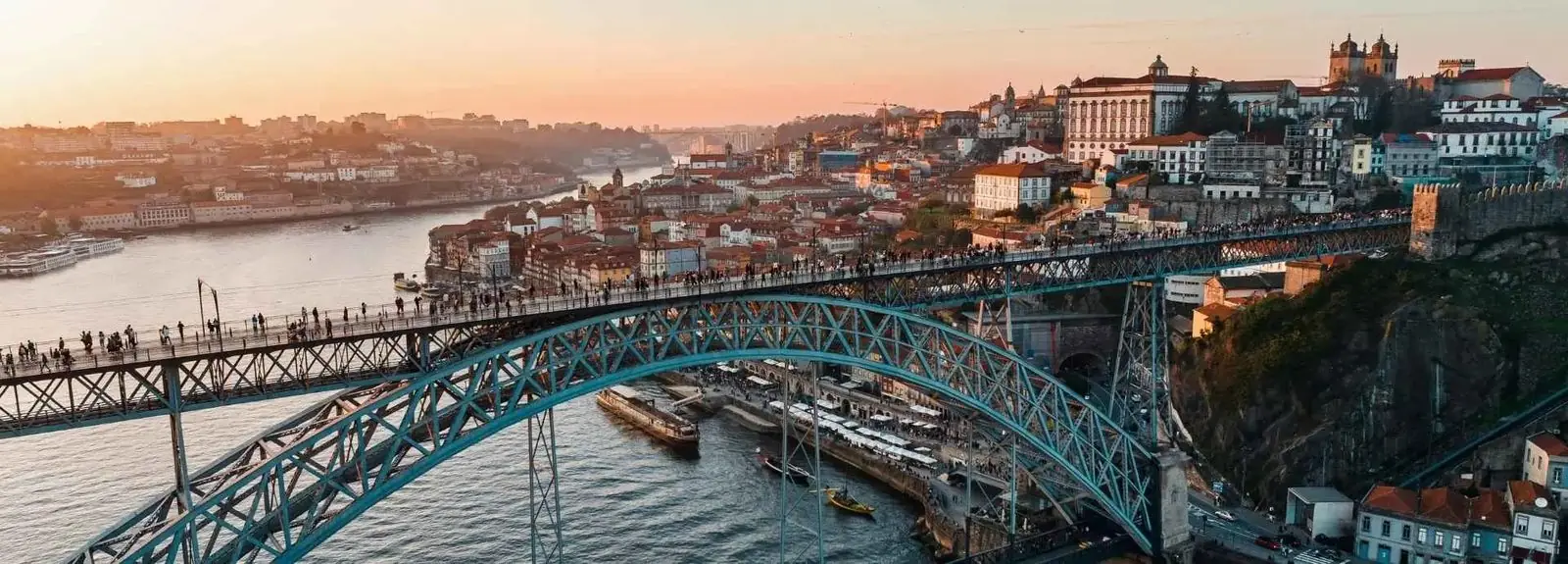
- Three of Porto's best sights cost nothing: São Bento station, the Ribeira quay, and both decks of the Dom Luís I Bridge.
- Livraria Lello runs on timed tickets now (a €15.95 voucher in 2026, deducted from any book you buy). The walk-up queue can pass 90 minutes.
- One port lodge tour across the river in Gaia is enough. Every house tells the same story, and tours run €16 to €35 depending on the lodge.
- Porto is steep and, from October to April, properly wet. Every route between the river and the upper town involves a climb.
- Two full days cover the city well. A third day buys the Douro Valley, the best day trip in the north.
Porto at 8:30 in the morning is delivery vans, fishermen on the quay, and old men drinking coffee standing up. Porto at 1 PM in July is a slow crush of tour groups in the same streets. Both versions are real, and which one you get is mostly a scheduling decision. The city packs almost everything worth doing into a steep bowl above the Douro, which makes it walkable, photogenic, and very easy to do badly by starting too late.
This guide suits walkers, wine drinkers, and anyone who likes a city that still works for a living. It suits beach-first travelers less: the Atlantic at Foz is handsome but cold, and the sand is a side trip, not the point. If you are pairing Porto with the capital, our things to do in Lisbon guide covers the other half of the classic route, and the Portugal hub pulls the whole country together.
The river first: Ribeira and both decks of the bridge
Start where the city starts. The Ribeira is Porto's medieval quay, a stack of tall, narrow houses in faded ochre and blue above arcaded restaurants, facing the river and the port lodges of Gaia on the far bank. Walk it early. The advice from repeat visitors is consistent: before 10 AM the quay belongs to locals and delivery scooters; by midday in summer you are shuffling shoulder to shoulder past the laminated menus.
The Dom Luís I Bridge is the second free essential, and it has two levels that most people never separate. The lower deck runs at water level beside the Ribeira. The upper deck, shared with metro line D, crosses high above the river with the whole valley laid out below. Walk the upper deck at least once, ideally near sunset, when the light hits the Ribeira facades and the far bank turns the colour of the wine stored in it. Then walk back along the lower deck at water level. Total cost: zero. Total time: under an hour, and it orients you better than any map.
São Bento, the cathedral and the tiled hill
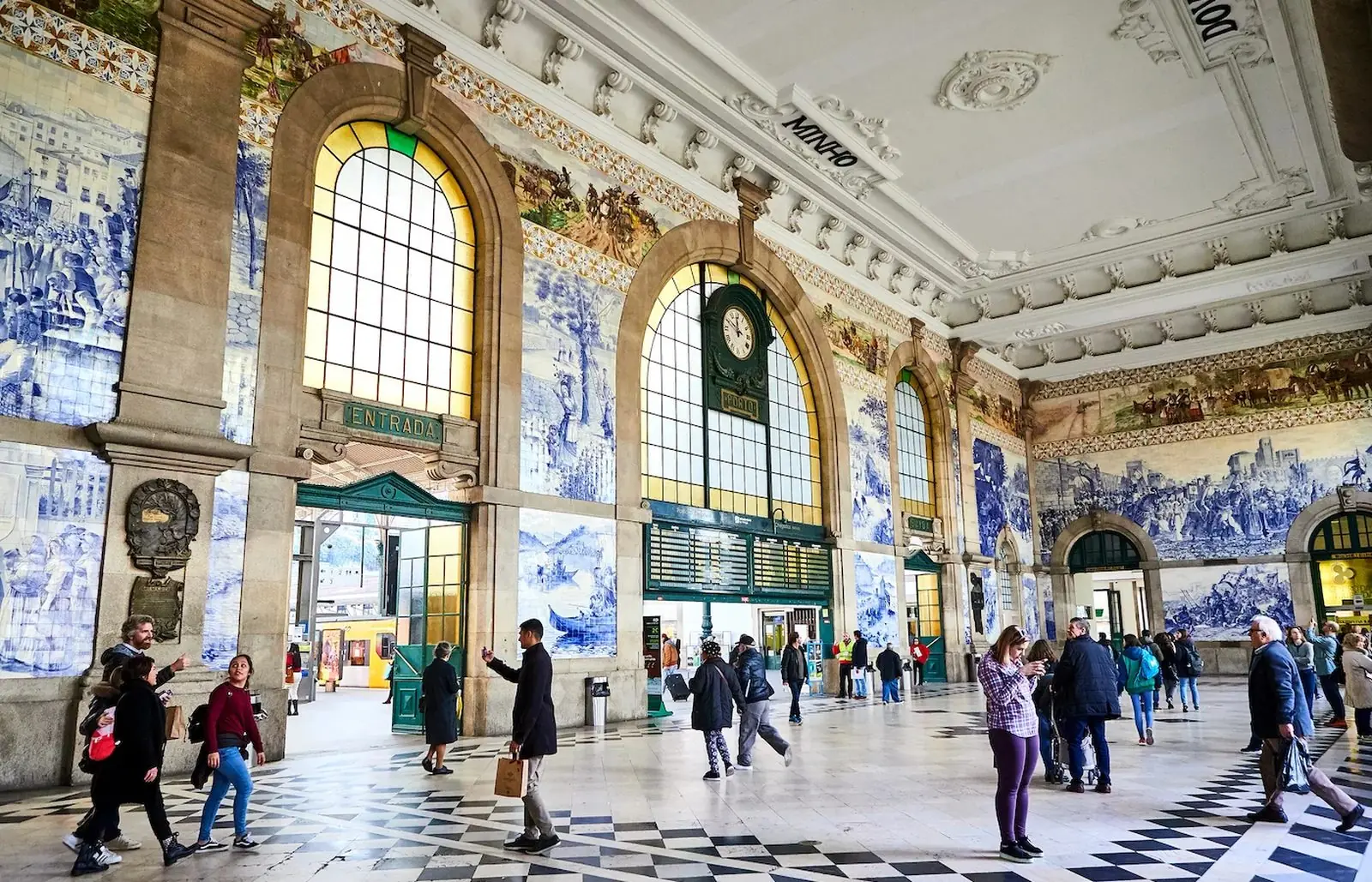
São Bento station is a working railway station you visit like a museum. The entrance hall is lined with around 20,000 azulejo tiles painted by Jorge Colaço in the early 20th century: battles, royal processions, harvest scenes, all in blue and white. Entry is free, and ten minutes is enough unless you are a tile obsessive. Go before 9 AM and you may have the hall nearly to yourself, which is not true of any later hour.
From São Bento, climb five minutes to the Sé, Porto's cathedral: a Romanesque fortress of a church on the highest ground in the old town. The church itself is free; the cloister and tower cost a few euros, best confirmed at the door. The terrace in front of the cathedral gives you the classic view down over the rooftops to the river, the one on every postcard, and it costs nothing.
The streets between the station and the cathedral, Rua das Flores especially, are the Baixa at its best: tiled facades, small bakeries, and shops that still sell things locals buy. This is the Porto to wander slowly. Save your coffee stop for here rather than the Ribeira quay, where you pay for the view in both euros and quality.
Livraria Lello and Clérigos: the queue economy
Livraria Lello is the most beautiful bookshop in Portugal and the most contested hour in Porto. The forked crimson staircase, carved wood and stained glass are genuinely lovely. The experience around them is crowd management: timed tickets, a queue down Rua das Carmelitas, and a shop floor too packed to browse in. The €15.95 ticket is a voucher deducted from a book purchase, so treat it as a book you pay for in advance and the maths improves. Book online, take the earliest slot you can, and be out before the tour groups arrive.
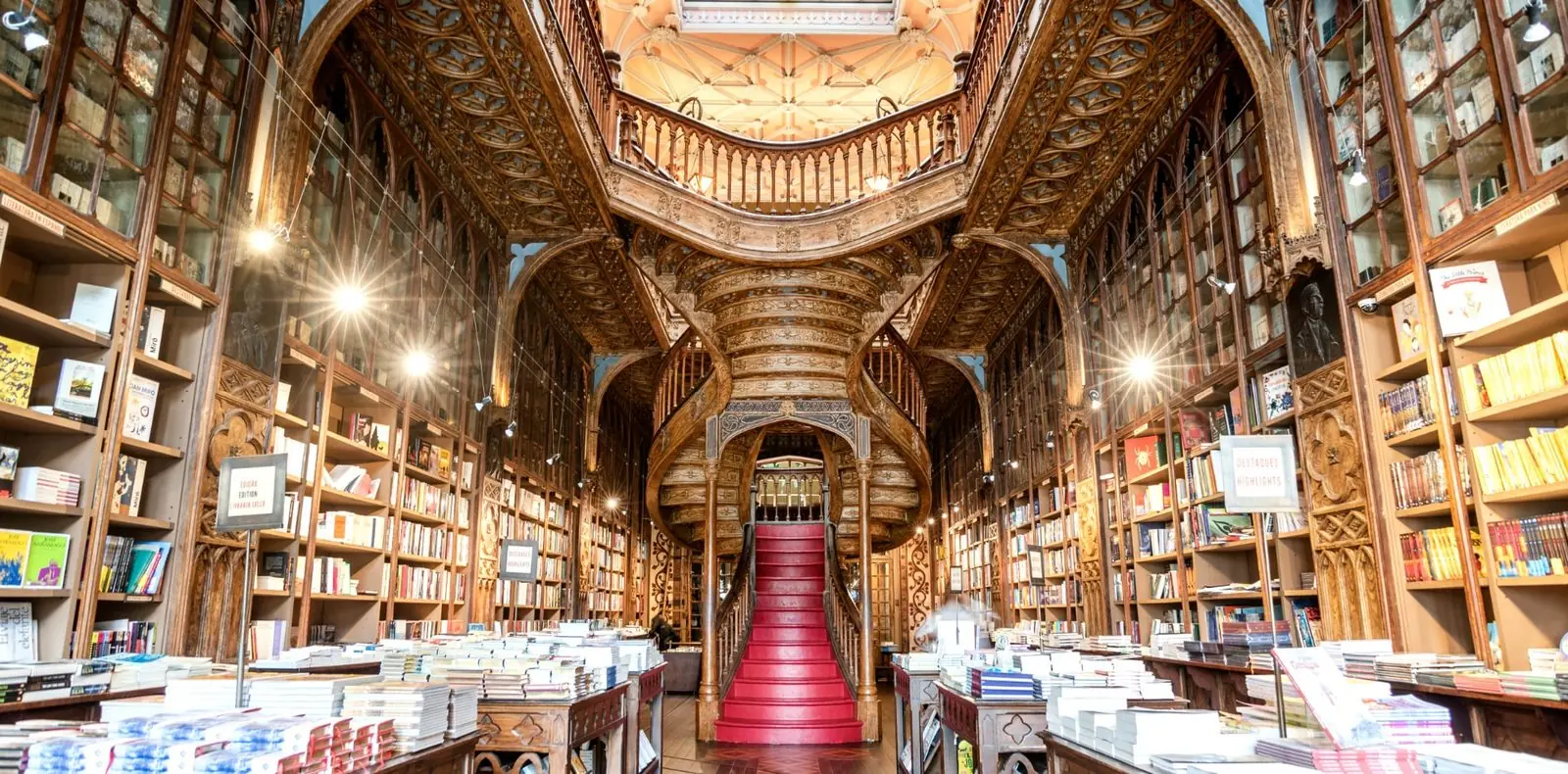
Honest verdict: if queues make you miserable, skip it and lose little. The forums are full of people who waited 90 minutes for a 15-minute shuffle past the staircase. If you love bookshops or Art Nouveau interiors, go at opening and it earns its place on the list.
Two minutes uphill stands the Clérigos Tower: 225 steps up a Baroque bell tower to the best panorama in the city. The combined church, museum and tower ticket runs around €10. The stairwell is narrow and single file in places, so again, early is the whole trick. On a clear morning you can see the river bend, the Gaia lodges and the Atlantic haze at Foz in a single turn.
Gaia: one port lodge, then the sunset lawn
Cross the lower deck and you are in Vila Nova de Gaia, where port wine has aged in long, low lodges since the trade began. Sandeman, Taylor's, Graham's, Cálem and Ferreira all run tours ending in tastings, from about €16 at the simpler houses to €35 for premium flights. Book a slot in high season; the good afternoon times go first.
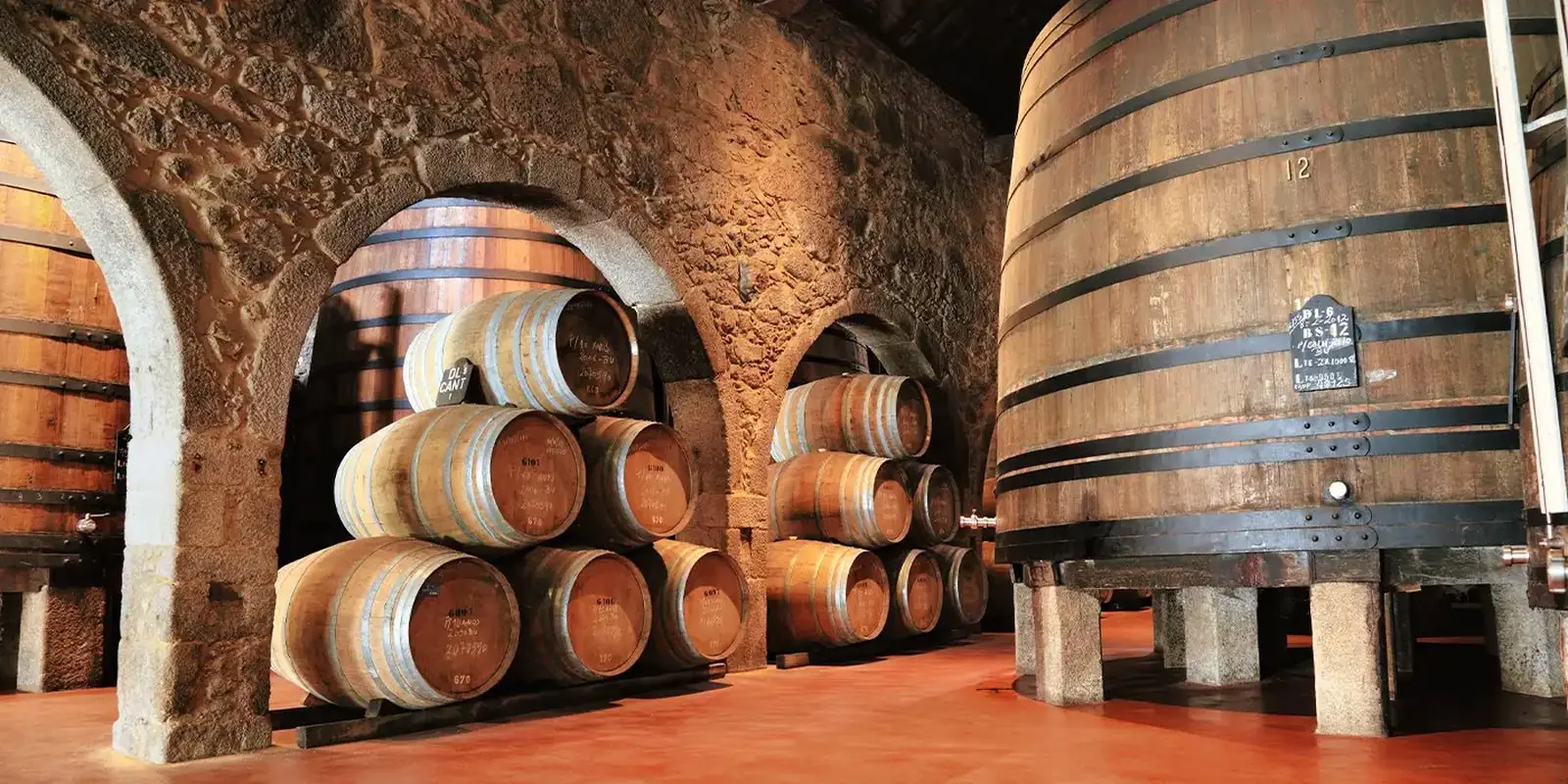
Here is the opinion repeat visitors keep repeating: do one lodge, not three. The tours cover the same ground (cellars, barrels, the story of the Douro harvest, two or three glasses of a wine that runs about 20 percent alcohol) and the return on a second tour collapses. After the third you have had nine glasses before dinner. Pick one good house, take the unhurried version, then spend the saved hours on the Gaia waterfront, where the rabelo boats sit under the bridge and the quayside is calmer than the Porto side.
The Gaia cable car, down from the upper bridge to the waterfront, draws long and hot queues in summer for a ride of a few minutes; the same views come free from the bridge itself. Instead, end the day at Jardim do Morro, the lawn beside the upper-deck metro station on the Gaia side. Half of Porto seems to gather there at sunset with supermarket wine and a guitar or two, watching the light go down over the Ribeira. It is the city's best free evening, and nobody charges you for the view.
Eating Porto: francesinha, markets and the couvert rule
The francesinha is Porto's signature dish and a dare: a sandwich stacked with steak, ham and sausage, drowned in melted cheese and a beer and tomato sauce, usually with fries and sometimes a fried egg on top. Locals argue about the best version the way other cities argue about football. Café Santiago and Bufete Fase, facing each other near the Coliseu, are the names that come up most. Order one between two people the first time. You will understand why by the third bite.
Mercado do Bolhão, the city's market hall, reopened in 2022 after a long renovation and is the place to graze: two floors of fish, produce, tinned sardines and flowers, with small counters doing lunch. Go in the morning, when the stalls are full and the grilled sardine smoke is rising off the snack bars.
One rule saves money everywhere in Portugal: the couvert. Bread, olives, butter or sardine pâté placed on your table unasked is not a gift; it can add €1.50 to €6 per person to the bill. Anything you do not touch, you can decline politely and it comes off. The Ribeira quay restaurants are the worst offenders on price generally: the view is the product and the food is secondary. Walk two streets uphill and lunch drops to €12 to €20 in a neighbourhood tasca that cooks for locals.
West to the Atlantic: Foz, the tram and Serralves
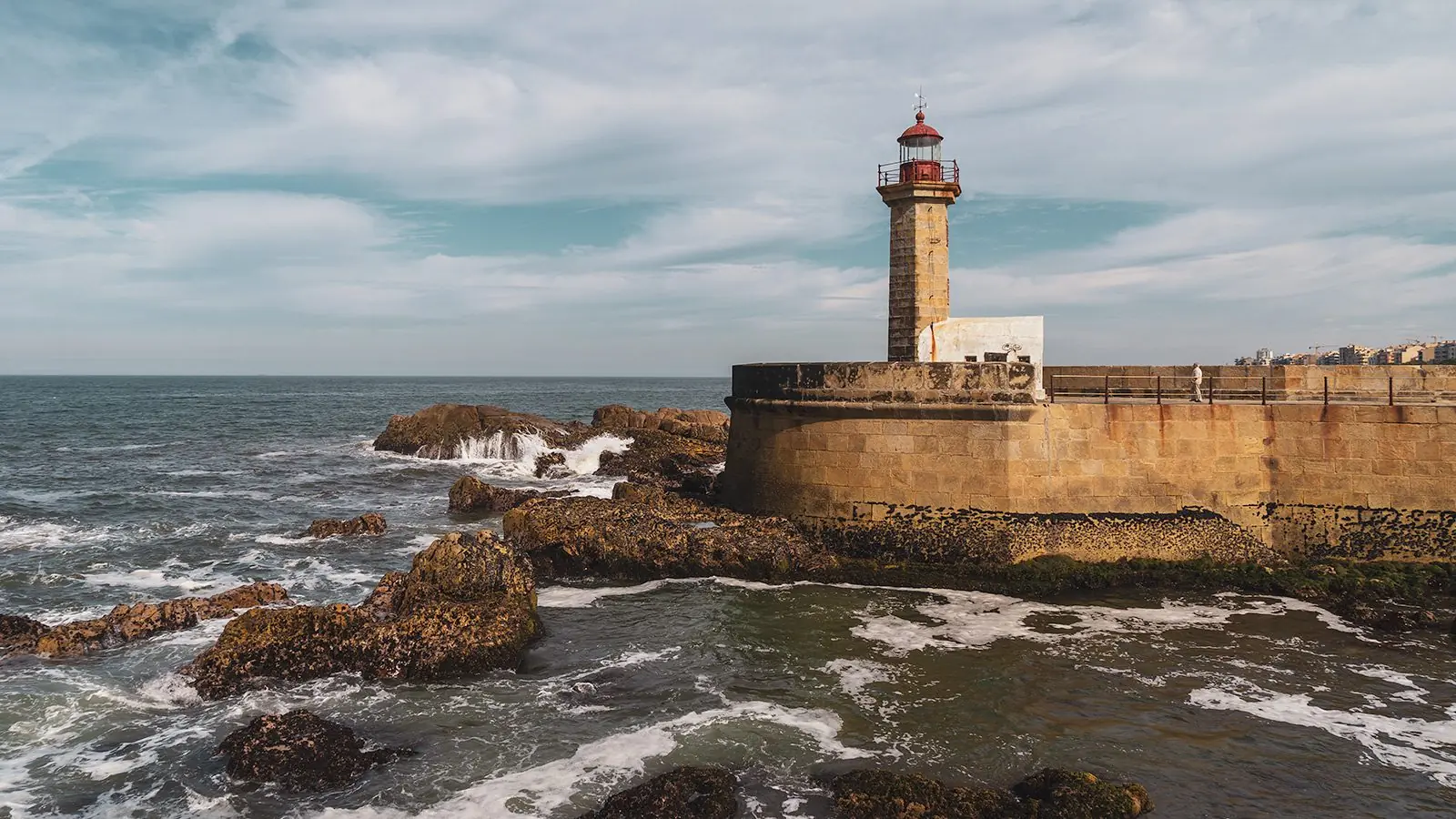
Tram line 1 rattles from near the Ribeira out to Foz do Douro, where the river meets the Atlantic, in about half an hour. Foz is Porto's calm, moneyed seaside quarter: a promenade, cafés full of families on Sundays, and the Felgueiras lighthouse on the breakwater taking the full force of the winter waves. Swim if you are hardy; the water rarely feels warm even in August. Most people walk, drink coffee, watch the river pilots work the bar, and ride back.
Inland from Foz, Serralves pairs a contemporary art museum with one of Portugal's great gardens: 18 hectares of parkland, a pink Art Deco villa, and a treetop walkway through the canopy. The combined ticket runs about €20. It is the best half day in Porto when the old town crowds peak, it works in the rain better than the viewpoints do, and it is the one major sight most weekend visitors never reach.
If you have a third day: the Douro Valley
The Douro Valley is where the port in your glass actually comes from: terraced vineyards stacked up near-vertical valley sides, an hour and a half to two and a quarter hours east of the city. The Linha do Douro railway from São Bento to Pinhão is one of Europe's great train rides, hugging the river for most of the way, and a return ticket costs a fraction of the organized day tours, which run around €90. In Pinhão you can taste at quintas within walking distance of the station and take a one-hour rabelo boat trip under the terraces.
Go by train, not by tour bus, unless your time is very short. The journey is half the point. One caution for winter trips: sections of the line east of Marco de Canaveses have scheduled engineering closures in the 2026-27 season with replacement buses running instead, so check CP times before you build the day around the railway.
Practical tips for visiting Porto
Start at 9 AM, not 11. Porto's sights are close together, which means everyone reaches them at the same time. An early start at São Bento and Lello buys you an empty city; a late start buys you queues.
Book two things in advance: Lello and your port lodge. Both run timed slots in high season. Everything else in this guide can be walked into.
Carry a layer and expect rain from October to April. Porto gets Atlantic weather, not Mediterranean weather. Check our best time to visit Portugal guide before picking dates; late spring and September are the sweet spots.
Watch the couvert. Unasked starters on the table are charged, per person. Decline what you will not eat, politely, and it comes off the bill.
Use the Andante card for transport. The card costs €0.60 and covers metro, buses and trams; the airport run on metro line E takes about 30 minutes and needs a Z4 fare, €2.45 in 2026.
A realistic mid-range budget is €70 to €110 per person per day (hotel, tasca meals, one paid sight, transport). Porto remains one of western Europe's cheaper city breaks. If you are travelling on to the capital, the Lisbon to Nazaré day trip breaks the journey well.
Frequently Asked Questions
How many days do you need in Porto?
Two full days cover the old town, Gaia and Foz at a sensible pace. Three days add the Douro Valley, which many visitors rate the highlight of the whole trip. One day is possible but reduces Porto to a checklist of queues.
Is Livraria Lello worth it?
At €15.95 with the full amount deducted from a book, yes, if you book an early slot. Without a booking, probably not: the walk-up queue can pass 90 minutes in high season for about 20 minutes inside.
Which port lodge should I choose?
Any of the big houses runs a good tour. Taylor's suits serious wine people, with strong tastings at €25 to €35; Sandeman and Cálem are the classic first tours at €16 to €27. Do one, then spend the afternoon on the Gaia waterfront.
Is Porto cheaper than Lisbon?
Yes, noticeably. Hotels, tasca meals and sights all run below the capital's prices, and the city is compact enough that you spend little on transport. The gap is widest on accommodation in high season.
When is the best time to visit Porto?
May, June and September: warm, mostly dry, and outside the worst crowds. June brings São João on the night of June 23, when the whole city stays up with grilled sardines, leeks and plastic hammers. October to April is cheaper but wet.
Is Porto walkable?
Yes, and steeply. The old town fits inside about two kilometres, but the riverfront and the upper town differ by a full climb, several times a day. Shoes with grip matter here; wet cobbles are genuinely slippery.
The bottom line
Porto is a small city with an unusually high hit rate: the station, the bridge, the lodges and the river light are all as good as the photographs, and three of the best cost nothing at all. Its traps are mild and avoidable: a bookshop queue, a riverside restaurant bill, a second port tour you did not need. Start early, cross the river, eat uphill from the quay, and Porto gives you two or three of the best-value days in Europe.