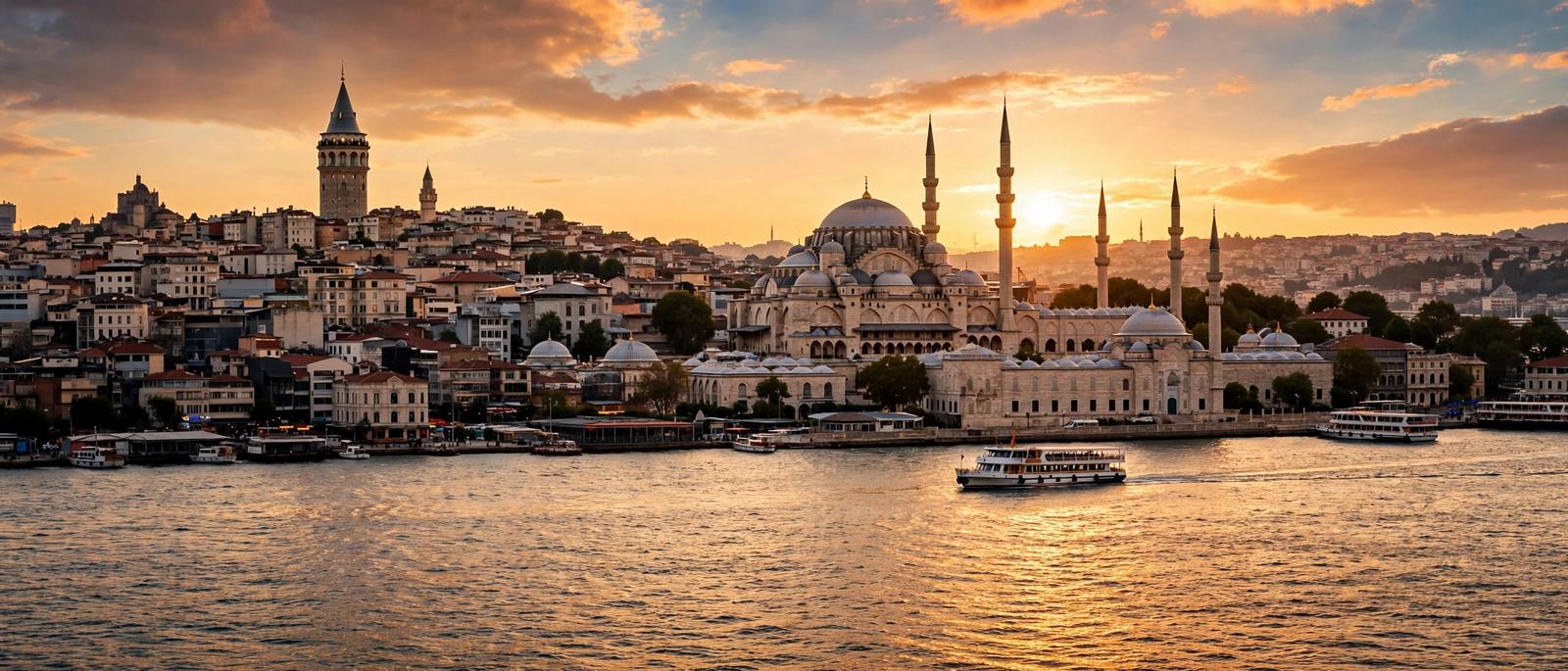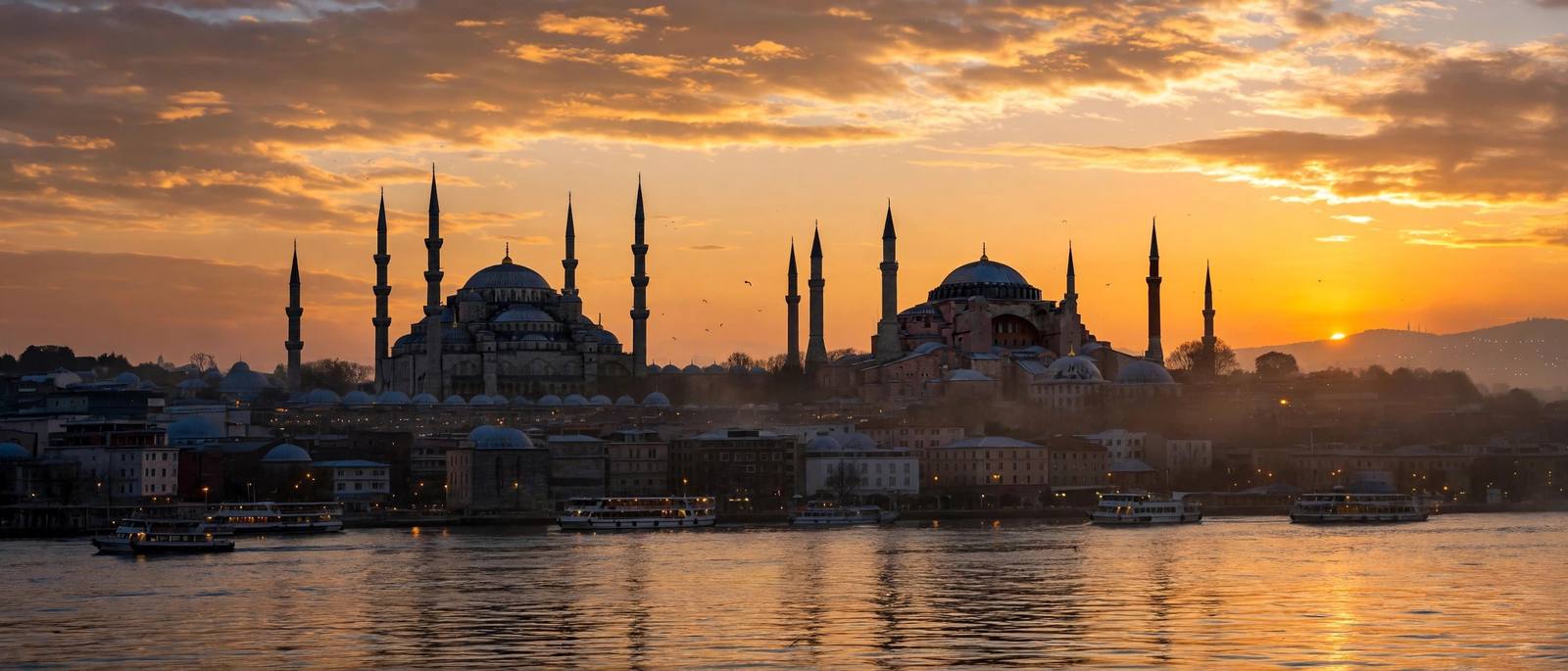
By Albert · Updated October 2026*
- April–May and September–October are the best months for most visitors: mild weather, manageable crowds, everything open.
- July and August are hot (28°C+), humid, and packed — but the Bosphorus is at its best and the city stays up late.
- December–February is the cheapest time to visit, with hotel prices often 30–40% below peak. Cold and rainy, but the sights are nearly empty.
- Istanbul's Tulip Festival in April turns the city's parks into something genuinely spectacular — worth timing a trip around.
- Book accommodation early for May and September; these months sell out first.
---
Every Istanbul guide says "spring and autumn are best," which is true and almost useless. The real question is what kind of trip you want, because Istanbul in January and Istanbul in July are barely the same city. One is grey, quiet, and cheap, with steam rising off your tea in an empty café. The other is loud, humid, and shoulder-to-shoulder at every viewpoint — and somehow still wonderful.
This guide breaks it down month by month: actual temperatures, what the crowds look like, what you'll pay, and which season fits which traveler.
The short answer
If you want one recommendation: go in May or September. May has the tulips, long days, and warm-but-not-hot weather. September has warm seas, thinning crowds, and golden light. April and October are nearly as good and slightly cheaper.
If you're on a budget and don't mind a coat: January or February. You'll get a good hotel for half the summer price and walk straight into Hagia Sophia.
If you can only travel in summer: it's fine. Just know what you're signing up for.
Methodology: how we built this guide
We used 2026 Istanbul climate data, hotel price patterns, and event schedules to match months to traveler priorities.
Istanbul weather month by month
Istanbul sits between the Black Sea and the Sea of Marmara, which gives it moodier weather than most Mediterranean cities. Winters are properly cold; summers are hot and humid rather than dry.
| Month | Avg high | Avg low | Rainy days | What's happening |
|---|---|---|---|---|
| January | 9°C | 5°C | 16 | Coldest, quietest month. Occasional snow. |
| February | 10°C | 6°C | 14 | Still cold. Lowest visitor numbers of the year. |
| March | 12°C | 7°C | 13 | Unpredictable — sun one day, sleet the next. |
| April | 16°C | 10°C | 10 | Tulip Festival. The city wakes up. |
| May | 22°C | 15°C | 8 | Arguably the best month. Warm, green, lively. |
| June | 26°C | 20°C | 5 | Summer arrives. Long days, rising crowds. |
| July | 28°C | 23°C | 2 | Hot, humid, driest month. Peak crowds. |
| August | 28°C | 23°C | 2 | Hot and packed. Locals leave; tourists fill in. |
| September | 25°C | 21°C | 4 | Warm seas, fewer people. A local favorite. |
| October | 20°C | 16°C | 5 | Golden light, occasional rain. Great walking weather. |
| November | 16°C | 13°C | 5 | Grey sets in. Quiet and cheap. |
| December | 11°C | 8°C | 8 | Wettest month. Festive lights, short days. |
Spring (April to May): the sweet spot
This is when Istanbul shows off. Temperatures climb from the mid-teens into the low twenties, the rain backs off, and the whole city seems to exhale after winter.
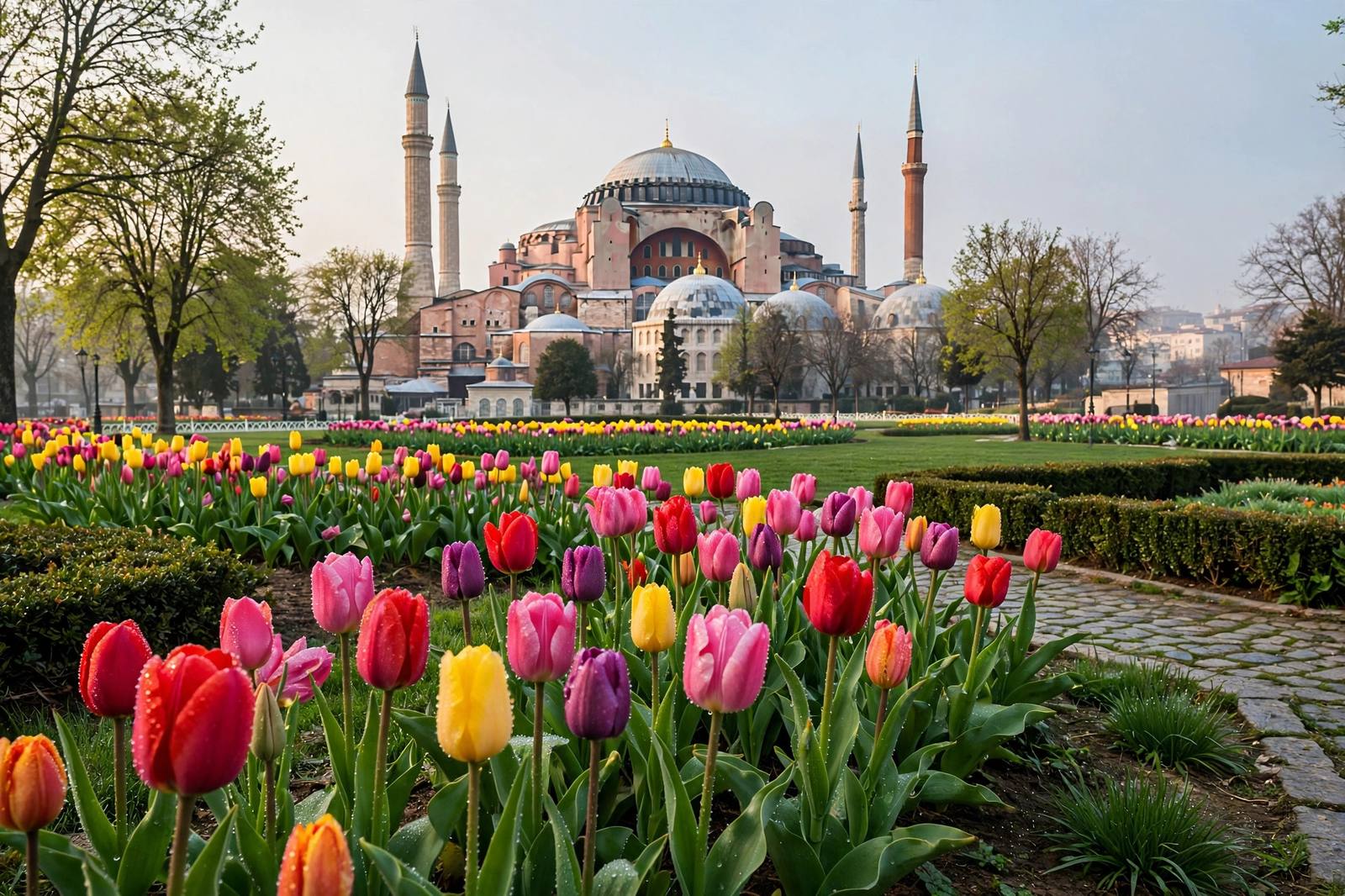
April belongs to the Tulip Festival, and I mean that literally — Istanbul plants millions of tulips (Emirgan Park is the big one, but they're in Gülhane, Sultanahmet Square, everywhere) and for a few weeks the city looks like someone turned up the saturation.
It's touristy in the best way; even locals go out of their way to see the displays, which tells you something. Expect some rain and the odd chilly day, but nothing that ruins a trip.
May is the single best month to visit Istanbul, full stop. Warm days around 22°C, cool evenings, long daylight, and the summer crowds haven't arrived yet. Hotel prices are high but not yet at peak. If your dates are flexible, pick May.
The one catch: May sells out. Good hotels in Sultanahmet and Galata book up weeks ahead, especially around weekends. Don't wing it.
Summer (June to August): hot, crowded, and alive
Summer in Istanbul is not the dry Mediterranean heat of the Aegean coast. It's humid — the Bosphorus and the two seas trap moisture, and August afternoons in Sultanahmet can feel oppressive. Temperatures sit around 28°C but feel hotter in the stone old city.
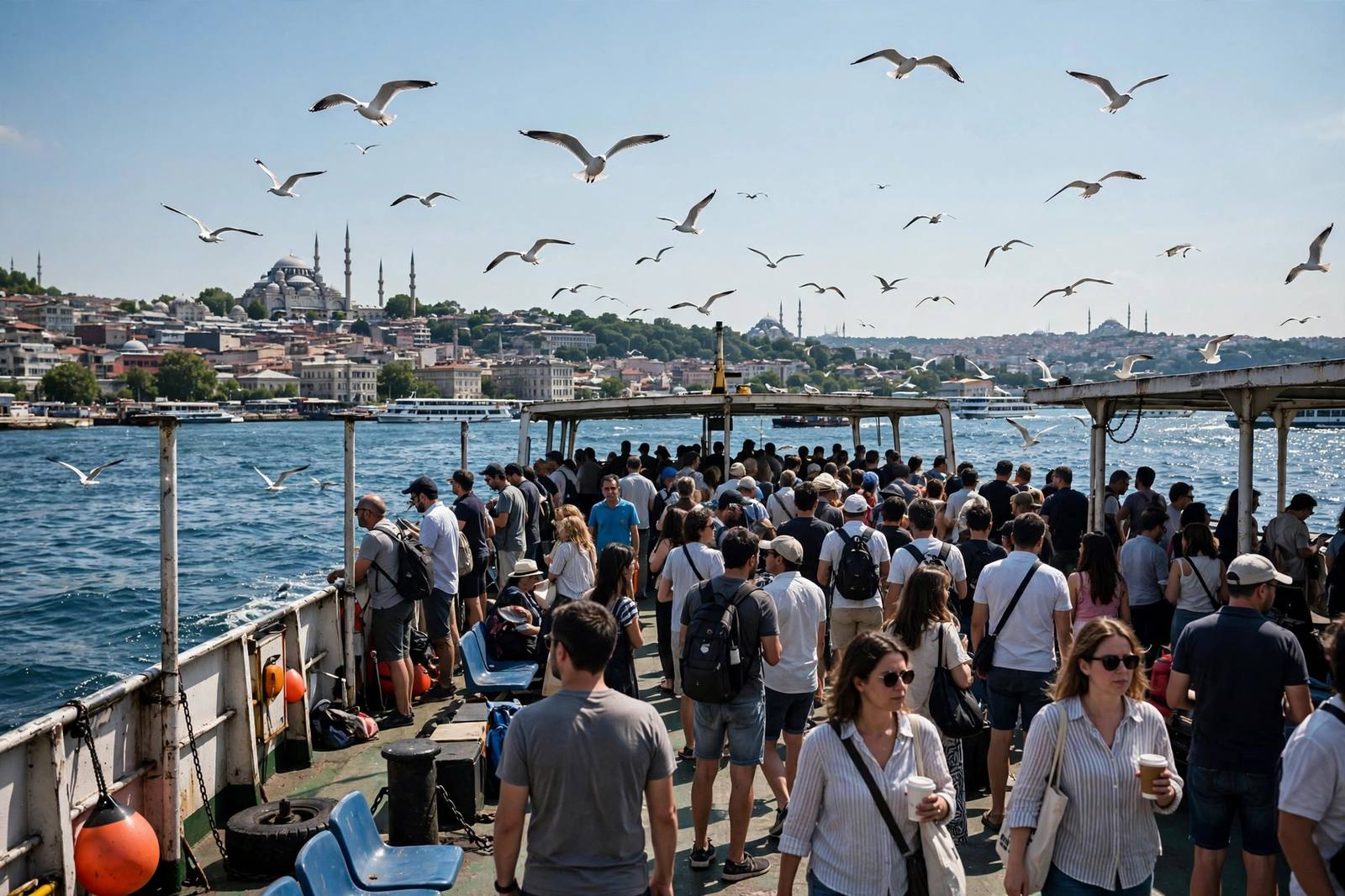
The crowds are the bigger factor. July and August bring tour groups, cruise passengers, and domestic tourists. The Hagia Sophia queue at midday is genuinely miserable. The Grand Bazaar is a slow-moving river of people.
But summer has real compensations, and they're not the ones the guides lead with. Yes, the rooftop restaurants and Bosphorus-side meyhanes stay open late.
But the actual move is the Princes' Islands — a short ferry ride, and suddenly you're swimming while everyone else is sweating through Sultanahmet. The Bosphorus ferry at sunset in July, standing on the open deck with the wind doing what the air conditioning can't? One of the great cheap pleasures in travel, full stop.
How to survive summer Istanbul: start sights at opening time (8:30–9 AM), retreat to air conditioning or a shady café from 1–4 PM, then come back out for the evening. Book the earliest Hagia Sophia slot you can. Stay somewhere with reliable AC — check recent reviews, not just the listing.
Autumn (September to October): the local favorite
Ask Istanbulites when they'd visit their own city and most say September. The sea is still warm from summer, the worst of the heat breaks, and the tourist hordes thin out noticeably after the first week of the month.
September keeps summer's warmth (mid-twenties) without summer's crush. It's excellent Bosphorus weather — warm enough for the ferry decks, cool enough for walking. Hotel prices start dropping from peak.
October is the gamble month, and I say that affectionately. When it's good — golden light, turning parks, that crispness that makes the hills almost pleasant — it's arguably more beautiful than September. When it's grey for a week straight, you'll wish you'd come in September. Pack a proper waterproof layer, not just a sweater, and accept the dice roll. The odds are in your favor, but they're not a guarantee.
Winter (December to February): cheap and moody
Nobody dreams of Istanbul in January, which is exactly why it's worth considering. This is the cheapest season by a wide margin — mid-range hotels that charge €120 in May go for €60–70, and you can walk into anywhere without a queue.
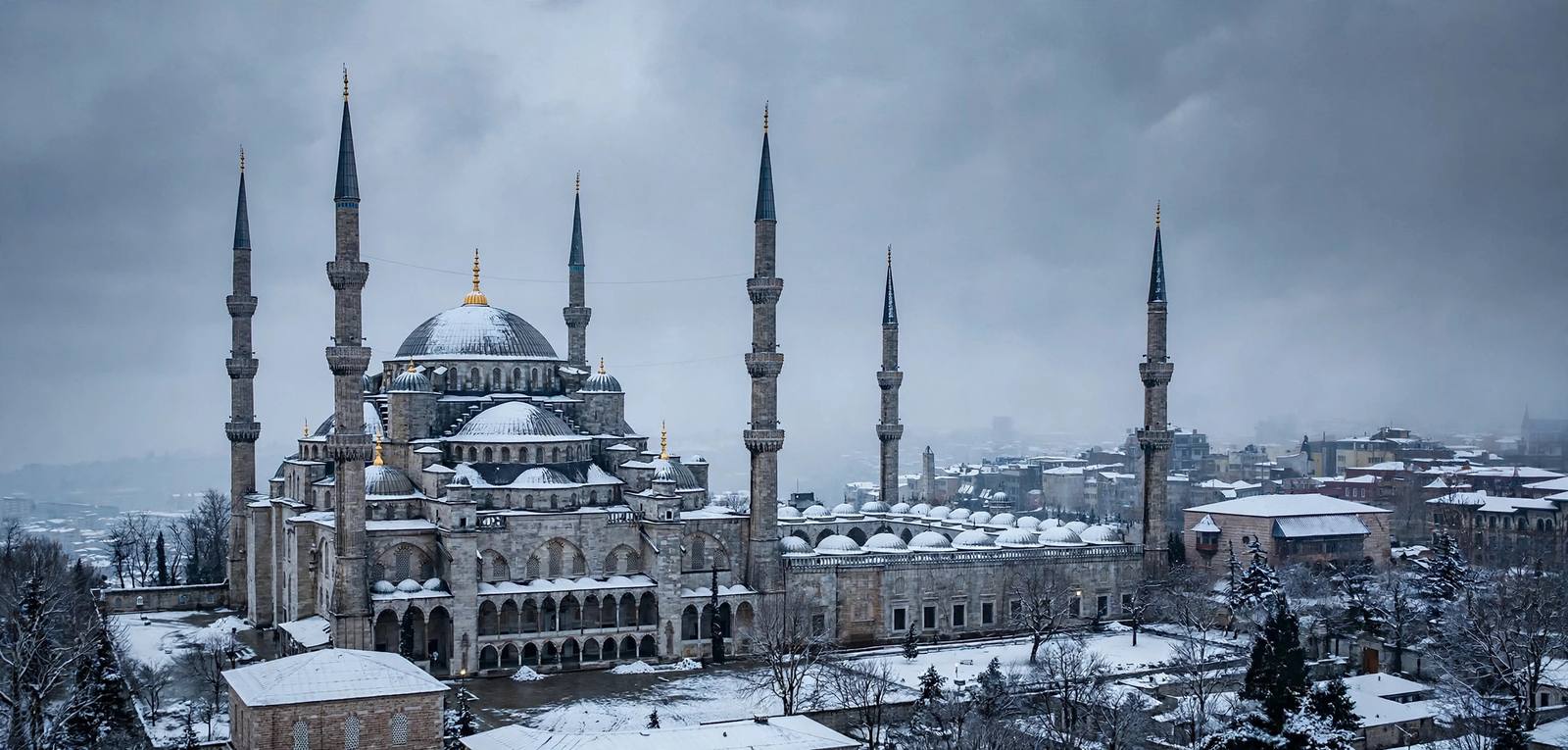
The weather is the price you pay. Expect 5–10°C, frequent rain, grey skies, and the occasional snow day that shuts the city down in the most charming way possible (Istanbul does not handle snow well, and watching it try is entertaining). Daylight is short.
But winter Istanbul has a specific magic that summer visitors never see. The hamams make infinitely more sense when it's 5°C outside — there's something about going from freezing streets into a 400-year-old hot dome that summer just can't replicate. The museums are empty (you'll have the Basilica Cistern's Medusa heads to yourself).
The Grand Bazaar is actually browsable instead of a human traffic jam. And the Bosphorus in winter mist, with the ferries emerging out of grey nothing? That's the Istanbul most tourists miss entirely.
What to pack: a proper waterproof coat, warm layers, and shoes that handle wet cobblestones. An umbrella is nearly useless in the Bosphorus wind — a hooded jacket is better.
December has a festive layer (New Year's is big in Istanbul, Christmas less so but visible in Beyoğlu). January and February are the dead quiet months — the absolute cheapest, the absolute emptiest.
What each season costs
Prices below are rough mid-range benchmarks for a double room in a decent Sultanahmet or Galata hotel, per night:
- Peak (June–August): €110–160. Book 2–3 months ahead.
- Shoulder (April–May, September–October): €90–130. May and September at the top of this range.
- Low (November–March): €55–85, excluding the Christmas/New Year spike when prices briefly jump back to shoulder levels.
Flights follow the same curve. The cheapest fares to Istanbul are typically in late January and February; the most expensive in August.
Food prices barely move with the seasons, which is worth knowing — a good kebab costs what it costs in January and July alike. And the weak lira means Istanbul remains absurdly good value if you're earning in euros, pounds, or dollars. The one exception: sights priced in euros (Hagia Sophia, I'm looking at you).
What to pack by season
Istanbul's weather punishes the wrong wardrobe more than most cities, because you'll be walking hills in it all day.
Spring/autumn: layers, and I mean real layers, not the "I'll bring a hoodie" kind. A light jacket over a sweater handles the 10-degree swing between midday and evening. And get shoes with actual grip — the old city's wet cobblestones and marble have ended more trips than bad food. It rains more than the averages suggest, by the way.
Summer: light, breathable clothes, a hat, and sunscreen. The sun off the Bosphorus is stronger than it feels. Modest dress for mosque visits applies year-round — covered shoulders and knees, and women need a headscarf for active mosques (most major ones provide them, but bringing your own is easier).
Winter: a proper waterproof coat, not a fashion jacket. Warm layers, a scarf, and waterproof shoes. The wind off the water cuts through anything less.
Events worth timing around
- Istanbul Tulip Festival (April): millions of tulips across the city's parks. Free, outdoors, genuinely impressive.
- Istanbul Film Festival (April): one of the region's best, with international premieres and strong Turkish cinema.
- Istanbul Jazz Festival (July): big-name acts in atmospheric venues, including the open-air Cemil Topuzlu theater.
- Republic Day (October 29): parades, concerts, and fireworks. The city feels patriotic and festive.
- Ramadan (dates vary — roughly February–March in 2026–2027): daytime is quieter, evenings come alive with iftar meals. A fascinating time to visit, though some restaurants have reduced daytime hours.
Go Türkiye is the official tourism site with event calendars. If you're flying in, Istanbul Airport has transport options into the city.
Frequently Asked Questions
What is the absolute best month to visit Istanbul?
May, with September a close second. May has the best combination of weather, daylight, and atmosphere; September has warmer seas and fewer crowds. April and October are excellent budget-friendlier alternatives.
Is Istanbul too hot in summer?
It can be uncomfortable, especially July and August afternoons in the old city. It's humid heat, not dry heat. Mornings and evenings are fine; plan indoor or waterfront activities for midday.
Is winter in Istanbul worth it?
If you prioritize low prices and empty sights over good weather, yes. The hamams, museums, and bazaars are all better in winter. Just pack properly and accept that some days will be grey and wet.
When is the cheapest time to visit Istanbul?
January and February, excluding any holiday periods. Hotels and flights are at their lowest, often 30–40% below summer prices.
How many days do I need?
Three days covers the essentials. Four to five lets you add neighborhoods and a Bosphorus cruise without rushing. A week lets you slow down and add a day trip to the Princes' Islands.
Does it snow in Istanbul?
Occasionally, usually January or February. It rarely settles for long, but when it does the city looks beautiful and functions poorly — which is part of the charm.
The bottom line
May and September are the months I'd recommend to anyone asking. April and October are nearly as good and easier on the wallet. Summer is hot and crowded but far from a write-off — it just demands a smarter schedule. Winter is the contrarian pick: cold, grey, cheap, and empty, with the city's best indoor experiences (hamams, museums, long café afternoons) at their finest.
Pick the season that matches your priorities — not someone else's idea of the "best" month — pack for it honestly (not hopefully), and Istanbul will do the rest. It always does.