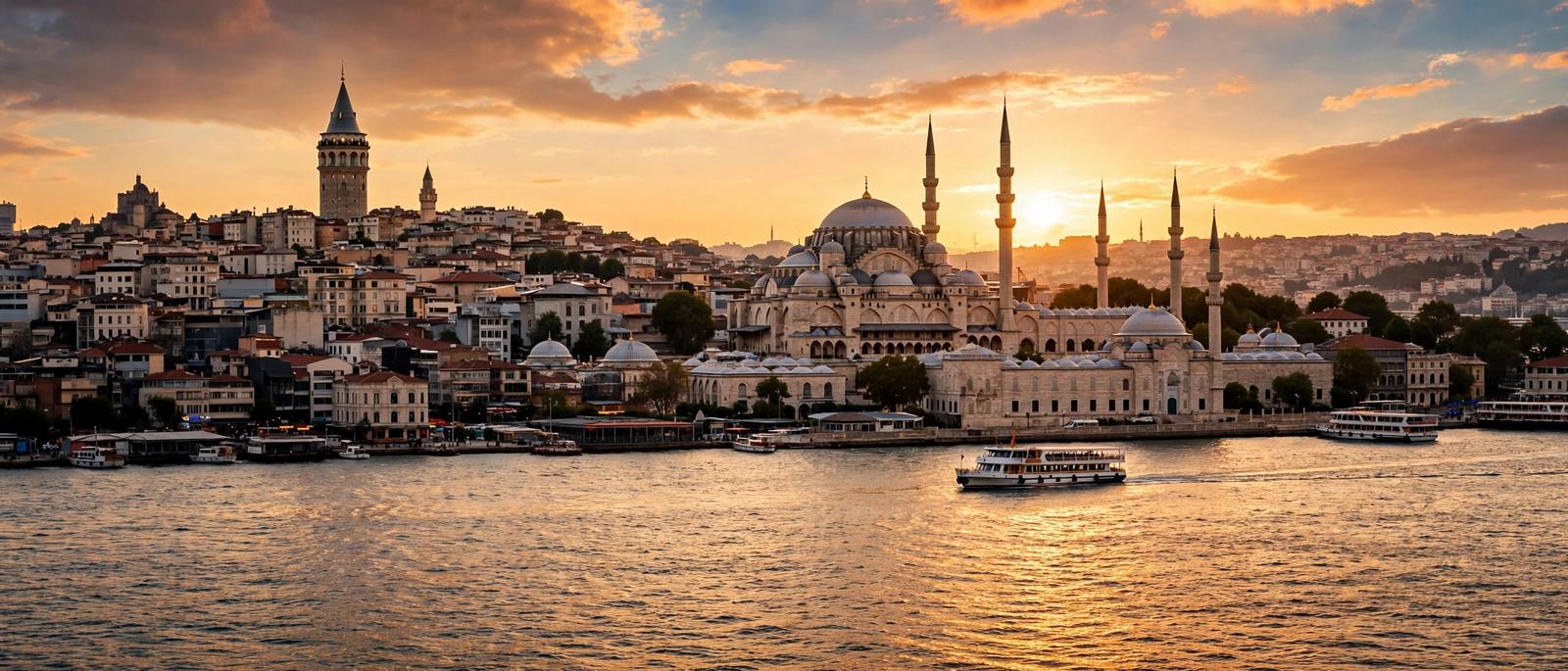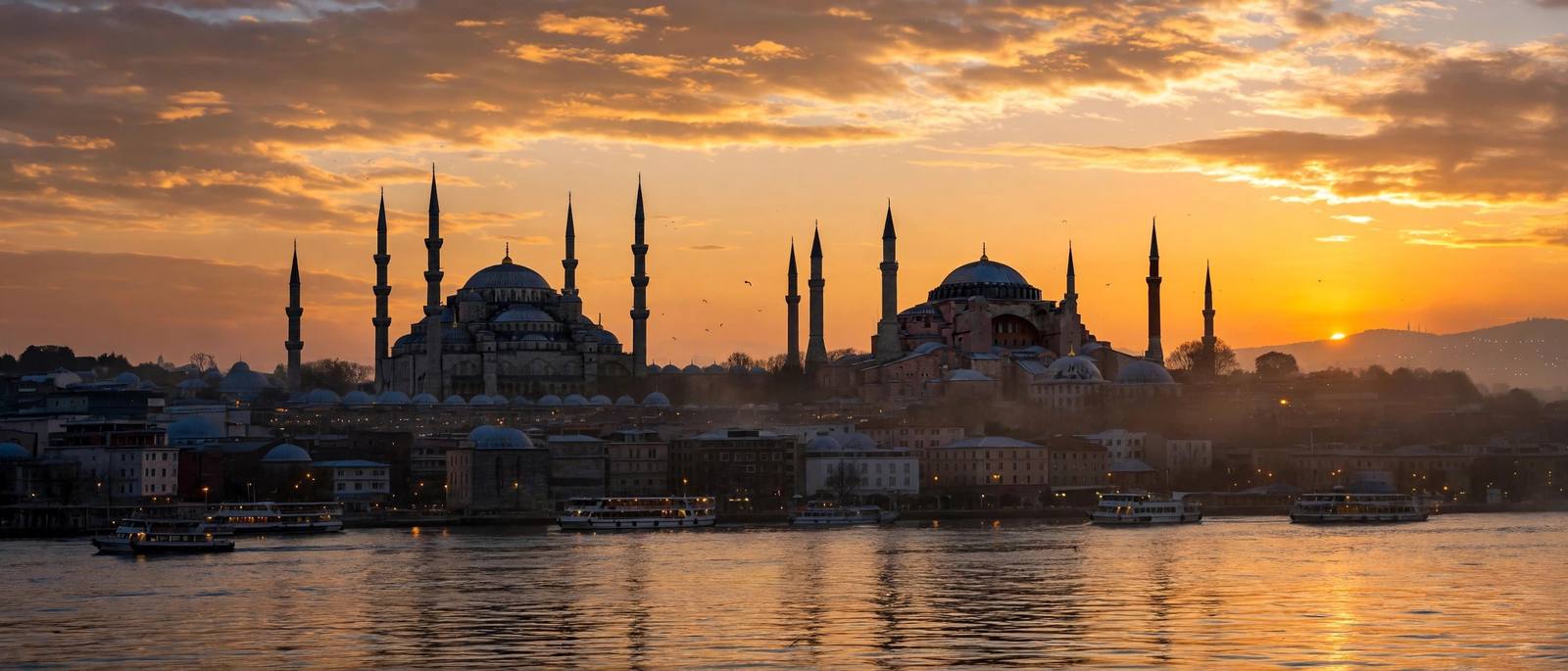
- Turkey has at least four distinct climates — the "best time" depends entirely on which region you're visiting.
- Istanbul: April–May and September–October. Classic shoulder-season logic.
- Cappadocia: May and September–October for balloon flights (85–95% success rates). Winter cancellations exceed 50%.
- Mediterranean coast (Antalya, Bodrum): May–June and September for swimming without the August furnace. The sea stays swimmable into October.
- Eastern Turkey: June–September only. It's a short season up here — snow can linger into May at altitude.
---
"When's the best time to visit Turkey?" is the wrong question, or at least an incomplete one. Turkey is larger than France and Germany combined, stretching from the Balkans to the borders of Iran and Syria. Istanbul's Bosphorus humidity, Cappadocia's continental steppe, and Antalya's Mediterranean coast might as well be different countries climatically.
The good news: there's almost always somewhere in Turkey having good weather. What works is matching your month to your region — or building an itinerary that follows the good weather around.
Istanbul and the northwest
Istanbul's climate confuses people who expect "Mediterranean" to mean one thing. It's transitional — part Mediterranean, part Black Sea moody — which means winters are properly cold and wet (5–10°C, regular rain, snow most years that rarely settles) and summers are warm and humid rather than dry. July and August average 25–28°C but feel hotter in the stone old city.
Best months: April–May and September–October. May is arguably the single best month — warm days, the Tulip Festival in April bleeding into early May, long evenings, manageable crowds. September keeps summer's warmth with fewer people. For a full month-by-month breakdown, see our guide to the best time to visit Istanbul.
Winter is the budget play: hotels drop 30–40%, the sights empty out, and the hamams make much more sense when it's cold. Just don't expect to enjoy the Bosphorus ferry in January rain.
Methodology: how we built this guide
Turkey's regions differ enormously climatically. We broke this down region by region using 2026 data.
Cappadocia: it's all about the balloons
Cappadocia is continental — hot summers, cold winters, and the kind of day-night temperature swings that have you in a t-shirt at noon and a jacket by sunset. But let's be honest: nobody's checking the Cappadocia forecast for hiking conditions. The weather question here is really a balloon question, and everything else is secondary.

Hot air balloon flights only launch in safe conditions, and the Turkish aviation authority is strict about it. The numbers tell the story:
- May, June, September, October: 85–95% of scheduled flights operate. These are the months to book.
- April: good but windier — cancellation rates around 20–25%.
- July–August: high success rates, but you'll share the sky with maximum crowds and pay peak prices.
- December–February: cancellation rates exceed 50%. Snow, wind, and fog ground flights regularly.
May is the consensus best month — stable morning winds, green valleys, wildflowers, and moderate temperatures (10–23°C). September and October bring golden light and harvest-season atmosphere.
Practical advice that matters: balloon flights sell out 1–2 weeks ahead in good months, and a single cancelled morning can wreck a tight itinerary. If the balloon ride is the reason you're going to Cappadocia, stay at least three nights to give yourself backup mornings. In winter, make it four or don't bother booking the flight at all — just enjoy the snowy fairy chimneys from the ground, which are spectacular in their own right.
Beyond balloons, Cappadocia is a hiking destination. Walk the valleys in April–June or September–October for the best conditions. Midday summer hiking is brutal — the rock reflects heat and there's almost no shade. Winter hiking is possible but icy trails and short days limit you.
The Mediterranean coast: Antalya and the Turquoise Coast
If Cappadocia is about the sky, the Mediterranean coast is about the sea — and it's the most straightforward climate in this whole guide. Antalya, Side, Kemer, Kaş: hot dry summers, mild wet winters, no surprises. True Mediterranean, the kind the brochures actually deliver on.
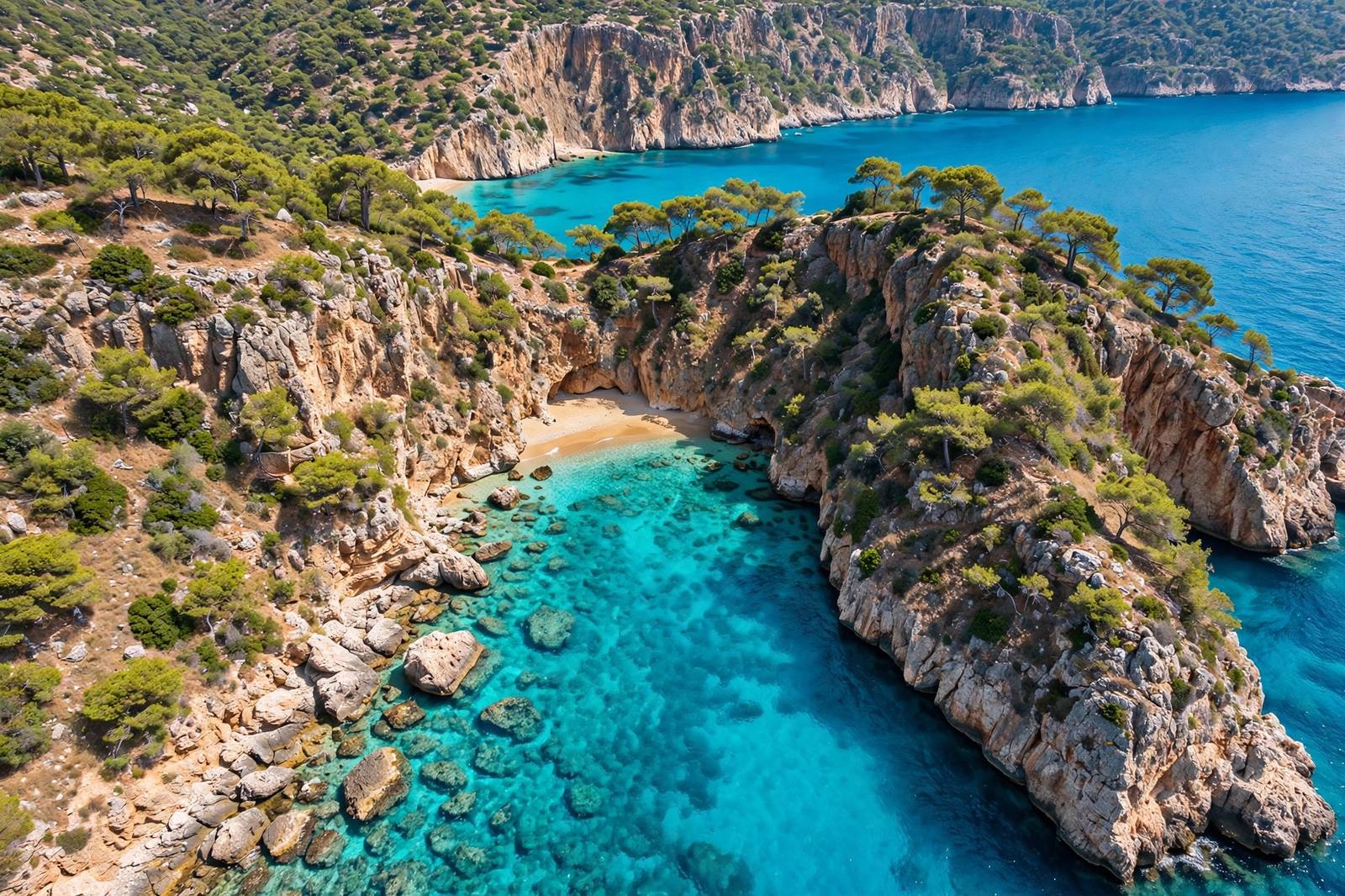
For swimming: late May through October. The sea hits 21°C in May (brisk but swimmable), climbs to 27–28°C in July and August, and holds above 24°C through October. September is the sweet spot most repeat visitors swear by — warm sea, warm air, and the August crowds gone.
The honest seasonal breakdown:
- April–early May: lovely for sightseeing — ancient ruins without the heat, green landscapes, wildflowers. Too cool for serious beach time, though the hardy swim from mid-May.
- June: excellent. Warm sea, hot but not brutal days, resorts operational but not full. Arguably the best-value beach month.
- July–August: the furnace. Temperatures regularly hit 35°C+, the sea is bathwater-warm, and the big resorts run at full capacity. If you're tied to school holidays it works — the all-inclusive infrastructure exists precisely for this — but any sightseeing should happen before 10 AM or after 5 PM.
- September–October: the connoisseur's choice. Warm sea, thinner crowds, lower prices, still-long days. October remains swimmable and the archaeological sites are nearly empty.
- November–March: the resorts mostly close. Daytime temperatures of 15–20°C suit ruin-exploring and city wandering, and you'll have places like Termessos almost to yourself. Not a beach trip.
One underrated angle: October on the Turquoise Coast (Kaş, Kalkan, Fethiye) combines warm seas with some of the year's best hiking and paragliding conditions. It's the region's best-kept seasonal secret.
The Aegean coast: Bodrum, Izmir, and Ephesus
Think of the Aegean as Antalya's slightly cooler sibling — a few degrees less brutal in August, a bit breezier, which matters more than it sounds when you're deciding between 35°C and 38°C. Bodrum's beach clubs and whitewashed streets peak in July–August, at their most glamorous and most expensive simultaneously.
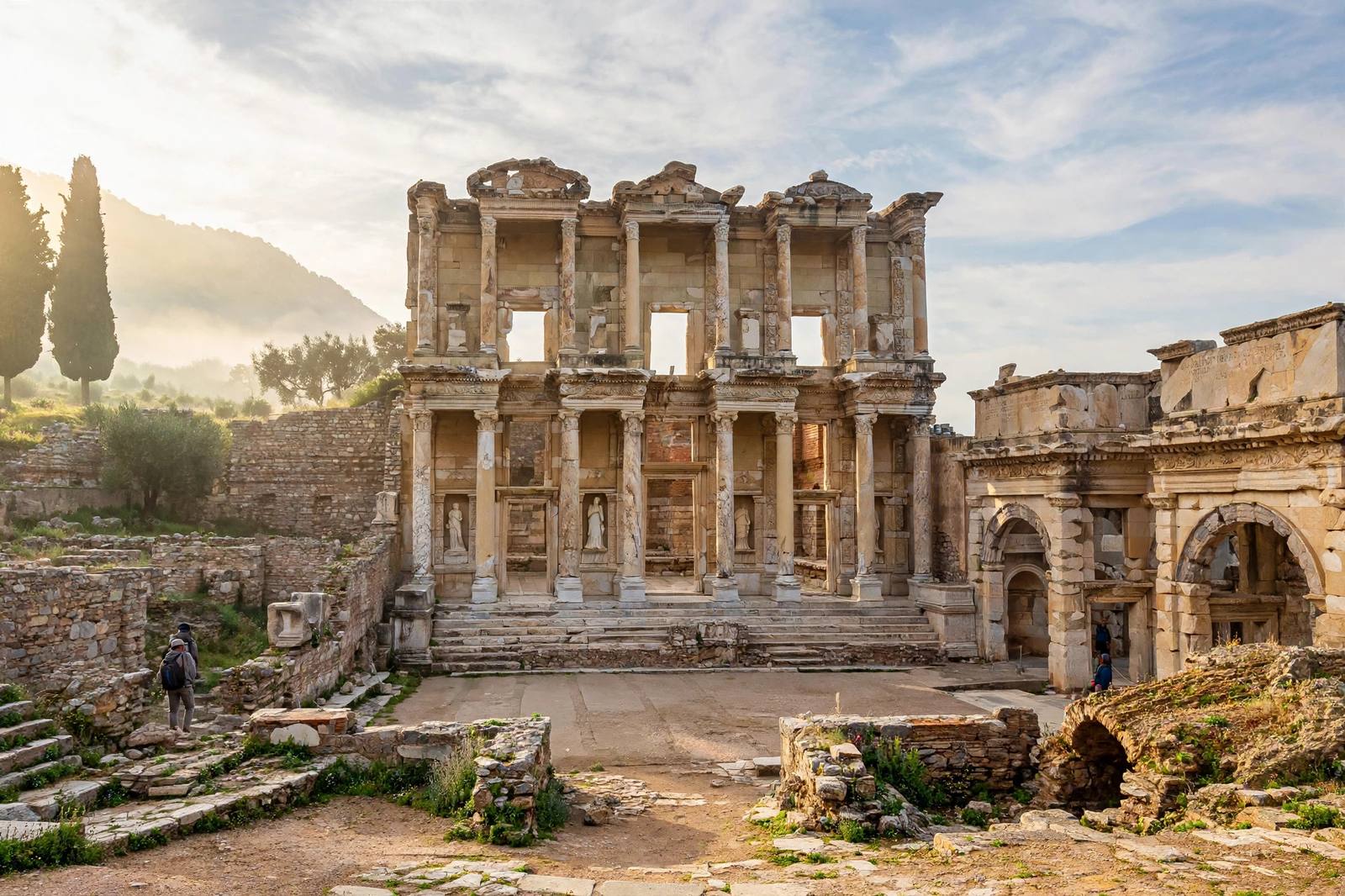
Best months: May–June and September. The pattern mirrors Antalya but shifted slightly cooler — Bodrum's sea warms a touch slower and cools a touch faster. By late October, many Bodrum beach clubs have closed for the season while Antalya's are still going.
Ephesus deserves special mention because it's the region's headline sight and it's miserable in peak heat. The marble streets of the ancient city reflect sun like a mirror; visiting in July at noon is an endurance test. Go to Ephesus in April, May, October, or at opening time (8 AM) in summer. The nearby town of Selçuk makes a good base and the Ephesus Museum there is worth an hour.
Spring on the Aegean coast — particularly April — is lovely in a way the brochures undersell. Wildflowers, green hills, empty beaches for walking (not swimming), and the olive harvest landscapes around Ayvalık and the Datça peninsula at their most photogenic.
Eastern Turkey: the short season
The east is where Turkey stops feeling like the Turkey from the postcards. Mount Nemrut, Van, Ani, the Kaçkars — high altitude, short summer, long serious winter. Snow can sit at altitude into May. Some mountain roads don't reliably open until June, and nobody's in a hurry about it.
You've really only got June through September. July and August are the safest bets for mountain areas. This is also when the region's festivals and highland pastures (yayla) are active.
What you get for the effort: some of Turkey's most extraordinary sights with a fraction of the visitors. The stone heads of Mount Nemrut at sunrise, the Armenian church of Akdamar on Lake Van, the medieval ruins of Ani on the Armenian border — these are world-class sites that most Turkey itineraries skip entirely.
Don't attempt the east outside the window unless you know exactly what you're doing. Winter temperatures drop to -20°C and beyond, and many sites are simply inaccessible.
The Black Sea coast: Turkey's green secret
Here's the region that breaks every assumption about Turkey: the Black Sea coast. Trabzon, Rize, the Kaçkars, Sumela Monastery — lush, mountainous, rainy, culturally distinct. Highland pastures, Ottoman stone bridges, tea plantations on impossible slopes. It looks more like the Alps than Anatolia, and most visitors have never heard of it, which is honestly their loss.
The season here is short — June through September. Outside that, rain and snow close the high routes. July and August are the sweet spot — warm days, cool mountain nights, and the yayla (highland) festivals in full swing. This is also Turkey's best summer escape from the heat; when Antalya hits 38°C, the Kaçkars sit at a comfortable 22°C.
It pairs well with Cappadocia or Eastern Turkey in a longer itinerary, but it's a detour — don't try to bolt it onto a one-week trip.
Putting it together: itineraries by month
April: Istanbul for the tulips, Cappadocia for wildflowers and solid balloon odds, Ephesus before the heat. Skip the coast — the sea's still too cold to enjoy, and half the beach infrastructure hasn't woken up.
May: the golden month for a grand tour. Istanbul, Cappadocia, Aegean coast, and the Turquoise Coast all work. You can swim from mid-month onward.
June: add the Mediterranean beach resorts. Everything is open, crowds still manageable.
July–August: commit to the beach (Antalya or Bodrum) and do your sightseeing before 10 AM, or head east to the mountains where it's actually pleasant. Istanbul in August is survivable but it's not the introduction I'd choose — hot, crowded, and the city at its least charming.
September: arguably the best all-rounder after May. Every region works. Warm seas, thinning crowds.
October: Istanbul + Cappadocia (golden landscapes) + Turquoise Coast (still swimmable). Aegean coast winding down.
November–March: this is Istanbul season — city culture, low prices, empty museums. Cappadocia under snow is spectacular if you can handle the cold (skip the balloon unless you're staying 4+ days; the cancellation odds aren't worth a short trip). The coasts are for walkers and ruin-explorers now, not swimmers.
When to book
Timing your booking matters almost as much as timing the trip. For May and September — the two best months — book hotels 2–3 months ahead in Istanbul and Cappadocia; the good cave hotels and Bosphorus-view rooms go first. Cappadocia balloon flights should be reserved 1–2 weeks ahead in season, though most operators allow free rescheduling for weather cancellations.
Summer beach resorts in Antalya and Bodrum reward early booking with significantly lower rates — the price difference between booking in February and booking in June can be 30% or more. Winter Istanbul is the one season where you can safely wing it; walk-in rates at good hotels are common in January and February.
Start with Go Türkiye for regional overviews. Most nationalities need an e-Visa — apply online before you fly, it takes minutes.
Frequently Asked Questions
What is the best month to visit Turkey overall?
May. It works for Istanbul, Cappadocia, the Aegean, and the start of the Mediterranean beach season. September is the runner-up.
Can I swim in Turkey in October?
Yes, on the Mediterranean coast — the sea stays above 24°C around Antalya through October. The Aegean cools faster; Bodrum gets marginal by late October.
When is the cheapest time to visit Turkey?
December–February, excluding holidays. Istanbul and Cappadocia hotels drop significantly. The coast resorts mostly close, so this is a city-and-culture trip.
How many days do I need for Cappadocia?
Three minimum if ballooning matters to you — you need backup mornings for weather cancellations. Two is enough if you're skipping the balloon.
Is Eastern Turkey safe to visit?
The main tourist areas (Nemrut, Van, Ani, Kars) are generally fine for travelers in season. Check your government's current travel advice before going, as elsewhere.
What's the weather like in Istanbul vs Antalya in summer?
Istanbul averages 28°C with humidity; Antalya regularly hits 35°C+ with dry heat. Istanbul is a city break that happens to be warm; Antalya is a proper beach furnace.
The bottom line
Turkey rewards travelers who match the month to the region. May and September are the closest things to universal answers — they work almost everywhere. Summer belongs to the coasts (and the mountains of the east). Winter belongs to Istanbul's museums and hamams, and to Cappadocia's snow-dusted valleys if you're willing to gamble on the balloons.
The mistake I see over and over: treating Turkey as one destination with one season. It's four or five different climates wearing the same passport. Get the region-month match right and you'll wonder what everyone was arguing about.