
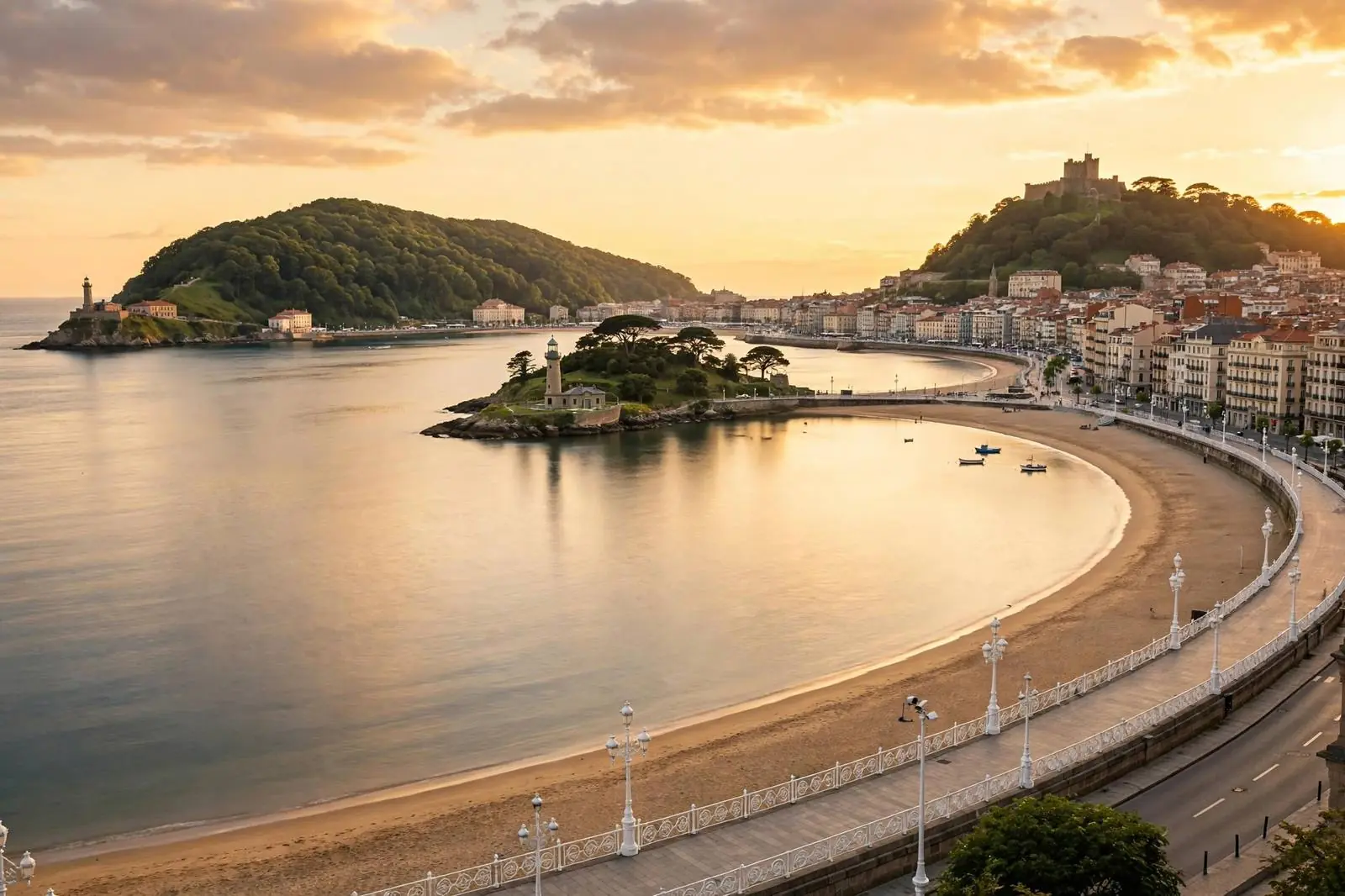
When is the best time to visit Spain?
April to June, or September to October. That's the honest answer for most travelers: temperatures in the 15 to 28°C range, thin visitor numbers, and tariffs that haven't hit high-season madness yet. Spring and autumn are the shoulder seasons here, when the nation shows its loveliest side — orange blossom in the Andalusian capital, outdoor terraces across the Spanish capital, and beaches you can actually move on.
But climatically, this is several countries in one. The Andalusian capital's conditions have nothing in common with San Sebastián's. Summer down south is a furnace; summer on the Cantabrian coast is glorious. This guide walks through the year season by season, names the fiestas worth timing a sojourn around, and spells out exactly when to book — and when to stay home.
Quick takeaways:
- Top pick: May and September. Warm days, thin footfall, fair prices.
- Peak season: June to August. Beach weather, 25 to 40°C, peak tariffs, a packed shoreline.
- Budget window: November to March. The cheapest flights and lodging, especially along the costas.
- Celebration months: March (Las Fallas in Valencia), April (Semana Santa and Feria de Abril in Andalusia), July (San Fermín in Pamplona).
- August warning: that's when locals take their holidays. Many businesses in the capital and the Andalusian capital close as residents flee the heat.
| Season | Months | South (Seville) | North (San Sebastián) | Crowds | Prices |
|---|---|---|---|---|---|
| Spring | Mar to May | 20-28°C | 15-20°C | Medium (high at festivals) | Shoulder |
| Summer | Jun to Aug | 32-40°C+ | 20-25°C | Very high | Peak |
| Autumn | Sep to Nov | 22-30°C | 14-20°C | Low to medium | Shoulder |
| Winter | Dec to Feb | 15-18°C | 5-10°C, rainy | Low | Lowest |
Spring in Spain (March to May): the golden season
Spring is the nation's finest hour, and the numbers back it up. Barcelona, the capital and the south see spring daytime highs in the high teens to mid-20s°C, perfect for exploring on foot cities that become ovens two months later. The Andalusian capital averages roughly 28°C by May, when its orange trees hang heavy with white blossom and the whole town smells incredible.
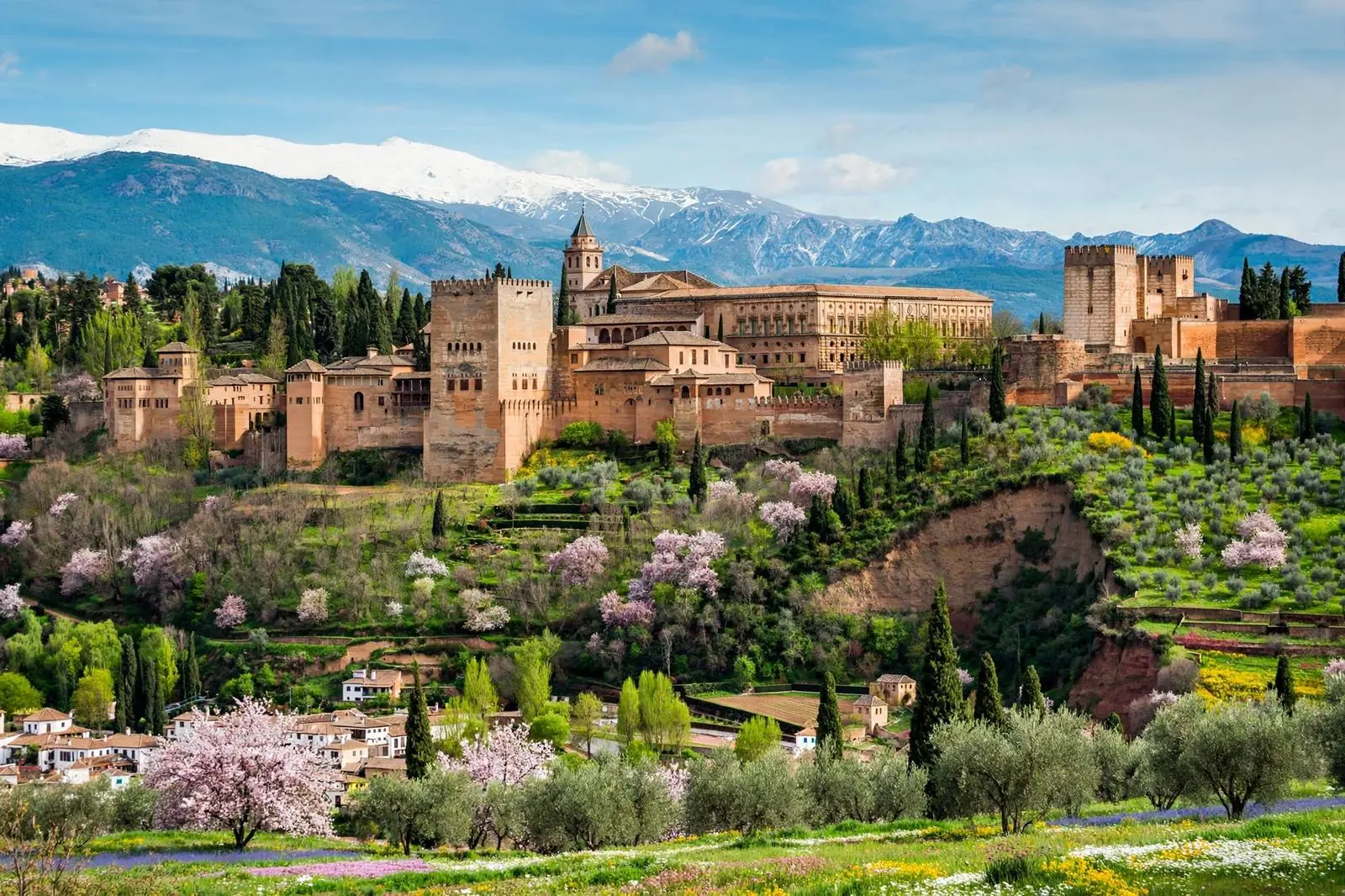
Spring doubles as fiesta season — either the finest or the worst part of visiting, depending on your tolerance for the throngs:
- Las Fallas (March 15 to 19, Valencia): five days of fireworks, street parties, and giant papier-mâché effigies torched on the final night. Reserve hotels far ahead. Valencia fills up.
- Semana Santa (Holy Week, March/April): solemn, spectacular processions across the south, especially the Andalusian capital and Málaga. Costs spike and travel demand peaks during Holy Week.
- Feria de Abril (Seville, usually late April): a fortnight after Easter, Seville throws a weeklong revel of flamenco, sherry, and dancing inside caseta tents. It's the most joyful week of the Spanish year.
May is spring's sweet spot: fiesta energy, long daylight, warmth without the scorching heat. If the country is new to you and you can't decide when to go, May is the default answer.
Summer in Spain (June to August): sun, crowds, and smart choices
Summer is the busy season: long days, every attraction open, fiestas everywhere. It's also when the country punishes bad planning. Temperatures run 25 to 40°C, and the averages hide the extremes — the Andalusian capital regularly tops 40°C in July and August, the Spanish capital bakes at 35°C plus, while the Mediterranean coast stays more civilized near 28 to 32°C.

Here's what most guides underplay: August is when the country goes on holiday. Locals abandon the cities for the seaside, and across the capital and the Andalusian capital you'll find family-run shops and eateries shuttered for the month. You're paying peak-season rates for a half-shuttered city.
For the hot months, the smart move is the green north or the islands. The Basque Country and Galicia get their finest conditions (20 to 25°C, verdant and lush), the Balearic and Canary Islands stay lively, and Barcelona's nightlife peaks.
The summer fiestas are genuinely worth the effort if you time them right:
- San Fermín (July 6 to 14, Pamplona): the Running of the Bulls. Over 1 million people descend on a small city. Book 6 to 12 months ahead or skip it.
- La Tomatina (last Wednesday of August, Buñol): the world's biggest tomato fight. Messy, brief, utterly unlike anything else.
- Feria de Málaga (mid-August): seven days of music, dance, and sherry in the streets.
If you're locked into a high-season trip, go coastal or head north. An Andalusian city itinerary in August is a mistake you make exactly once.
Autumn in Spain (September to November): the second sweet spot
September might be the finest month in the land. The high-season crush thins, the mercury settles at agreeable levels (mid-20s to 30°C down south, pleasant everywhere else), and after months of heating, the sea sits at its warmest — prime for swimming.
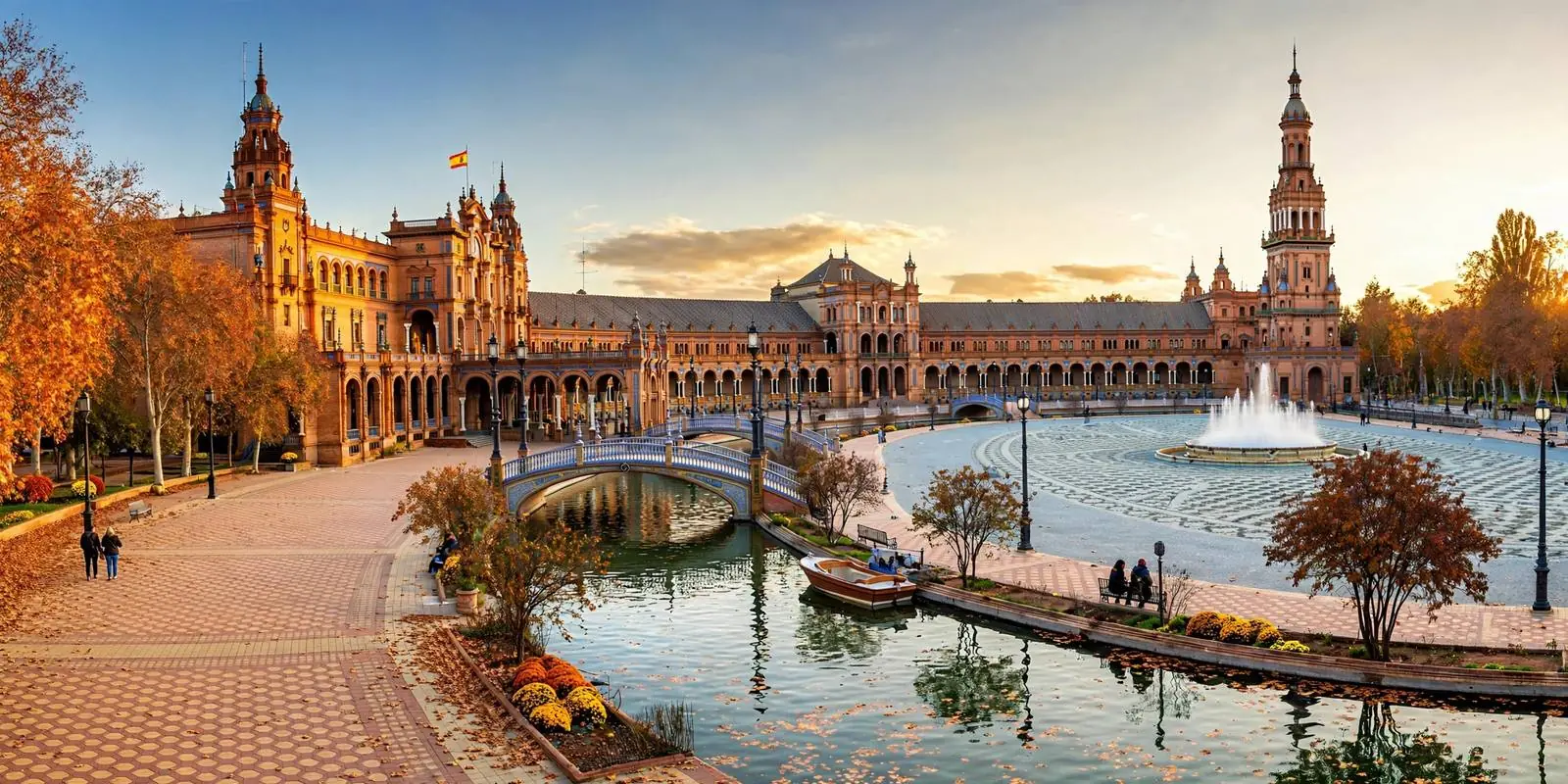
Early autumn brings gentle conditions, fewer tourists, and harvest festivals. Barcelona's big fiesta, La Mercè (September 20 to 24), fills the streets with concerts, firework displays, and human tower performances. September hotel rates run kinder than August's.
October is excellent for city sightseeing: the south is back in the 20s°C, Madrid turns crisp and clear, and Rioja runs harvest celebrations. November quiets everything down — days average roughly 14°C, the footfall vanishes, and rates drop. It's a fine month for tapas crawls and museum marathons, a poor one for beach plans.
One caveat: the north gets genuinely soggy in autumn. Galicia and Asturias earn their "green Spain" reputation with rain.
Winter in Spain (December to February): cheap, cold, and underrated
Winter splits the nation in two. The north (Bilbao, San Sebastián, Santiago) runs cold and rainy at 5 to 10°C. The south stays mild and often sunny: Seville sits near 15 to 18°C in January, Málaga and the Costa del Sol hover around 16 to 17°C, and the Canaries hold 20 to 22°C year-round. That's Europe's top winter beach bet.
This is budget season. Costa del Sol accommodation can run 50 to 70% cheaper than peak season, and flights drop accordingly. The tradeoffs: shorter days, some coastal resorts running at reduced capacity, and genuinely chilly nights inland. Madrid at 5°C is not the romantic terrace city from the photos.
Winter has its own rewards, though. The Pyrenees and Sierra Nevada run a full ski season, Christmas markets light up the big cities, and New Year's Eve in Madrid's Puerta del Sol — twelve grapes at midnight — ranks among Europe's great traditions. Visiting in the cold months? The Canaries are the no-brainer: 20°C plus, beaches, and half the price of summer.
Best time for beaches
June to October is the swimming window for the Mediterranean shoreline and the Balearics, with the warmest water in August and early fall. The Costa del Sol's sea turns swimmable from June. The Atlantic seaboard (Cádiz, San Sebastián) runs cooler and shines from July to September. For cold-month beach conditions, fly to the Canaries. Tenerife and Gran Canaria average 20 to 22°C from December to February.
Best time for city sightseeing
April, May, September, and October. Madrid, Barcelona, Seville, and Granada are all at their most walkable in these months. The hot season is too fierce inland (40°C in Seville is a sightseeing write-off), and cold-month days are short. Reserve heavyweight sights like the Alhambra and Sagrada Família online before arrival, whatever month you choose.
Best time for budget travel
November through February, excluding Christmas and New Year's. Flights and hotels hit their annual lows, and the savings gap is dramatic on the costas. Off-season accommodation can run 50 to 70% cheaper. Just remember the conditions tradeoff: aim for the south or the Canaries, not a northern road trip.
Best time for festivals
The fiesta calendar here is packed enough to plan a whole trip around. The big ones: Las Fallas (March 15 to 19, Valencia), Semana Santa (March/April, Andalusia), Feria de Abril (late April, Seville), San Isidro (mid-May, Madrid), San Fermín (July 6 to 14, Pamplona), La Tomatina (late August, Buñol), La Mercè (September 20 to 24, Barcelona).
Fiesta weeks mean packed hotels and premium prices. Worth the hassle — just reserve early.
The worst times to visit Spain
1. August in Andalusia or Madrid: 35 to 40°C plus, half the local businesses closed, peak prices. The worst value proposition in the Spanish calendar.
2. The Christmas to New Year week: pricey, crowded, and many attractions run reduced holiday hours. December itself is fine; that single week is the problem.
3. Late November in the north: bleak, dark, and wet across Galicia and the Basque Country, with the least to show for it. Save the north for the hot months.
Methodology: how this guide was put together
This guide blends seasonal climate patterns and fare data from kimkim and Holidify, fiesta dates from red2000 and KnowInsiders, and off-season bargains from Curious Expeditions. Temperatures are long-run seasonal averages; regional climates here swing enormously, so treat the north-south split in the table as a rule of thumb. Month-to-traveler picks are the author's own.
Frequently Asked Questions
Is Spain too hot in July?
Across the south and inland cities, yes for many travelers. Seville regularly tops 40°C. The northern shoreline and the islands stay pleasant. If July is your only option, build the trip around the seaside and the north, not Madrid and Seville.
When is the cheapest time to fly to Spain?
January and February, outside school holidays. Shoulder months (April, October) strike the finest balance of decent fares and agreeable weather. Avoid August and the Christmas week.
Can you swim in Spain in October?
Yes, on the Mediterranean and down south. The sea stays bath-warm into October after months of heating. Atlantic beaches are cooling off but hardy swimmers still go in. By November, swimming is for the brave.
Is everything closed in Spain in August?
Not everything, but the closures are real inland: many local businesses in Madrid and Seville close in August. Tourist attractions, major restaurants, and coastal businesses stay open. Plan accordingly — August belongs to the coast, not the capital.
What's the weather like in Barcelona in winter?
Mild by northern European standards: 12 to 15°C days, nippy nights, occasional rain. A fine city-break month — just not a beach one.
How far in advance should I book for Semana Santa or Feria de Abril?
3 to 6 months minimum for Seville during those weeks. Hotels in the historic center sell out and rates double. Valencia for Las Fallas has the same problem.
Are the Canary Islands good in December?
Excellent — the top winter-sun option in the nation at 20 to 22°C, with beaches, hiking, and tariffs well below high-season levels.
Bottom line
The nation rewards travelers who aim for the shoulders. May and early autumn deliver its loveliest conditions, liveliest streets, and fairest tariffs. That's the Spain of terraces, fiestas, and long evenings. The hot months belong to the coast and the north; the cold months belong to the Canaries and the budget-conscious. And August in Seville belongs to nobody visiting — the locals who flee it are telling you everything you need to know.
Sources: seasonal breakdowns via kimkim and Holidify; fiesta dates via red2000 and KnowInsiders; off-season rates via Curious Expeditions.