By Sofia · Updated October 2026*
- June and September are the sweet spots for most trips: warm seas, long days, and crowds that haven't peaked or have already thinned.
- July and August bring 35–40°C heat, the year's highest prices, and the meltemi winds that can cancel Aegean ferries.
- April, May, and October are best for Athens, archaeological sites, and hiking — the marble at the Acropolis radiates heat all summer.
- Shoulder-season hotels run 25–40% below August rates; winter discounts reach 70% but most island services shut down.
- Book ferries and accommodation 4–8 weeks ahead for summer; shoulder season still needs 2–3 months for the good rooms.
---
Ask ten people when to visit Greece and nine will say "May or September." Not wrong, but lazy — it hides the real tradeoffs. Greece isn't one destination. It's Athens baking under summer sun, Cycladic islands getting hammered by the meltemi, mountain villages in Epirus that barely notice August. The right month depends entirely on which Greece you're visiting.
Month by month, with honest assessments of weather, crowds, prices, and what's actually open.
January to March: Athens season
Winter in Greece belongs to the mainland. Athens averages 10–15°C — cool enough for a jacket, warm enough to walk the archaeological sites without breaking a sweat. The Acropolis without queues is a genuinely different experience from the summer version; you can stand at the Parthenon and hear your own footsteps.

This is also when Athens is cheapest. Hotel doubles near the Acropolis that run €180–300+ in August drop dramatically, and restaurants are full of locals instead of tour groups. Thessaloniki works the same way.
The islands, though, are mostly a write-off for a first visit. Many small-island hotels close from late October to mid-April. Ferry schedules shrink to skeleton service — some routes run once or twice a week, and winter storms cancel sailings without much warning. Santorini keeps Fira functioning year-round, but Oia largely shutters and there are no boats. Crete and Rhodes stay more alive than the smaller islands, but beach season is over and the sea sits around 16–17°C.
Come in winter for Athens, the museums, and the lowest prices of the year. Don't come expecting an island holiday.
Methodology: how we built this guide
We cross-referenced 2026 climate data, ferry schedules, hotel pricing patterns, and traveler reports from forums and trip reviews. The month-by-month picks weight weather, crowds, and prices equally.
April: Easter and wildflowers
Greece wakes up in April, and the alarm clock is Greek Orthodox Easter — the country's biggest celebration. Epitaph processions on Good Friday, midnight fireworks Saturday, lamb roasts Sunday. If your dates line up, lean into it. If they don't, just know that ferries and domestic flights around Easter weekend sell out and prices spike briefly.
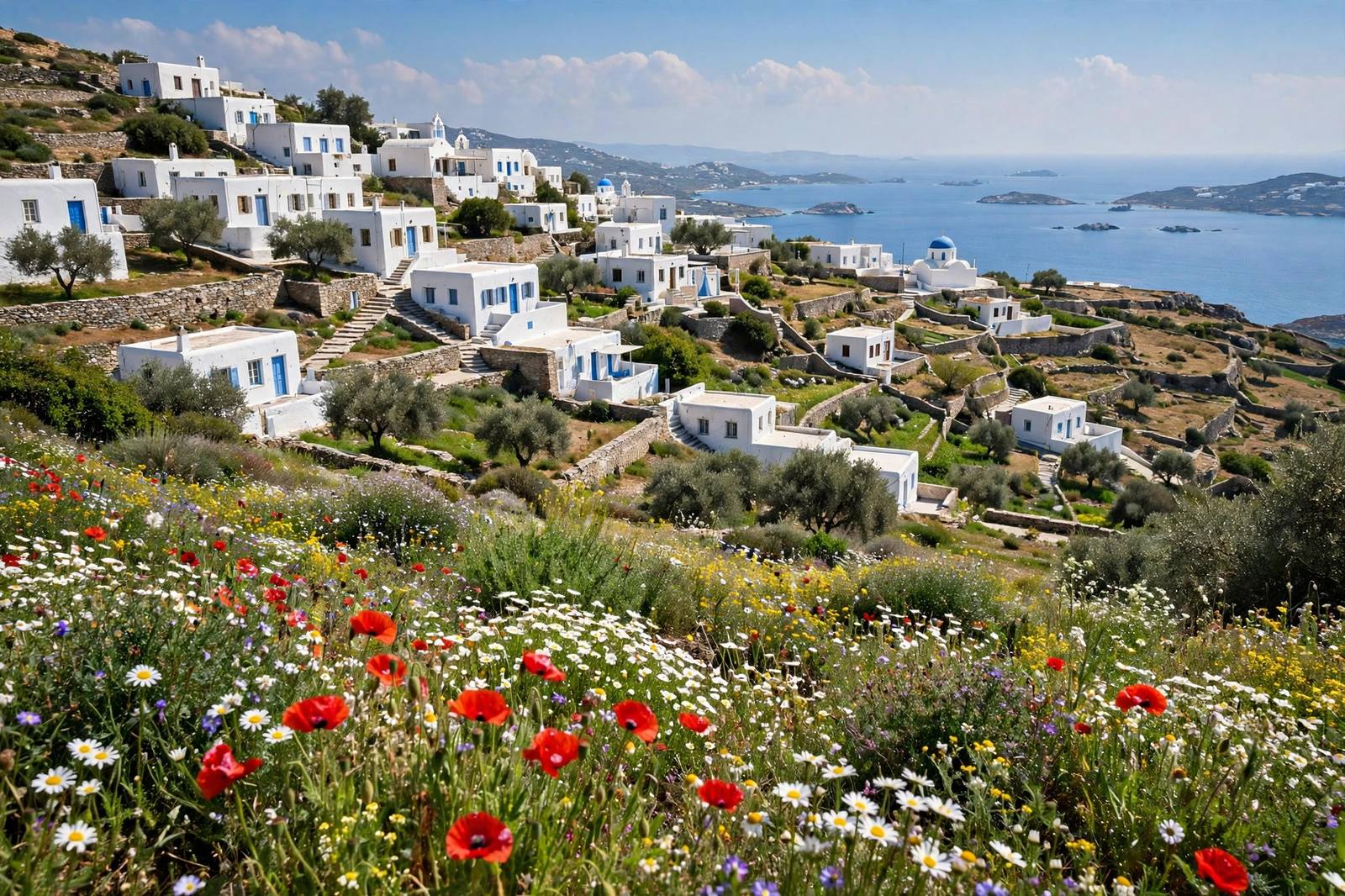
Weather-wise it's transitional. Athens does 18–22°C on good days. The islands are cooler, the sea's still cold (17–18°C — for the brave only). But the landscapes? Best of the year. Wildflowers across the Peloponnese and Crete, hillsides green in a way they won't be by June.
Sites are walkable, crowds thin, prices near winter levels. April's a strong pick for a mainland road trip — Delphi, Olympia, Meteora, the Mani — before the heat shows up. For islands it's early; a lot of places are still opening, so confirm your hotel's actually operating before you book.
May: the first genuinely good month
Here's when the season actually starts — and it's one of the best-value months you'll find. Mid-20s, sea climbing to 19–20°C (swimmable by late May for most people), everything open, no summer crush yet.
The math is compelling: island prices at roughly half of August. Full ferry schedules. No meltemi yet, so crossings are calm. Oia's sunset spots have room. Beach bars open but not packed.
For Athens, May is close to ideal. Warm enough for rooftop dinners, cool enough to do a full Acropolis day without melting. Hiking season too — Samaria Gorge in Crete typically opens in May, mainland trails at their best.
Only caveat: early May sea is bracing, and evenings can want a light jacket. If swimming's the priority, aim late May.
June: long days, warm water, rising crowds
If I had to pick one month for a classic island holiday, it'd be June. Sea at 21–23°C — proper swimming. Longest days of the year, sunset past 8:30. Everything open, meltemi barely stirring, crowds building but not yet insane.
But June is really two months wearing one name. Early June: calm, good value, almost May-like. Late June: European schools break, and you feel it — beach clubs fill, ferries tighten, prices climb. Pick the first half if you can.
Athens in June is the last comfortable month before the furnace kicks in. Highs push toward 30°C but mornings and evenings stay pleasant. And the Athens & Epidaurus Festival starts — ancient drama at the Herodion Theatre under the Acropolis, which is one of the great cultural experiences in Europe, full stop.
Book 2–3 months ahead. The good rooms in Oia, Mykonos Town, central Athens go first.
July and August: peak everything
Full volume. Hottest weather, biggest crowds, highest prices, strongest meltemi. Athens and the interior regularly hit 35–40°C. The Acropolis has closed during afternoon heatwaves in recent summers — check the status the evening before and keep an indoor backup ready (the Acropolis Museum is air-conditioned and excellent, by the way).
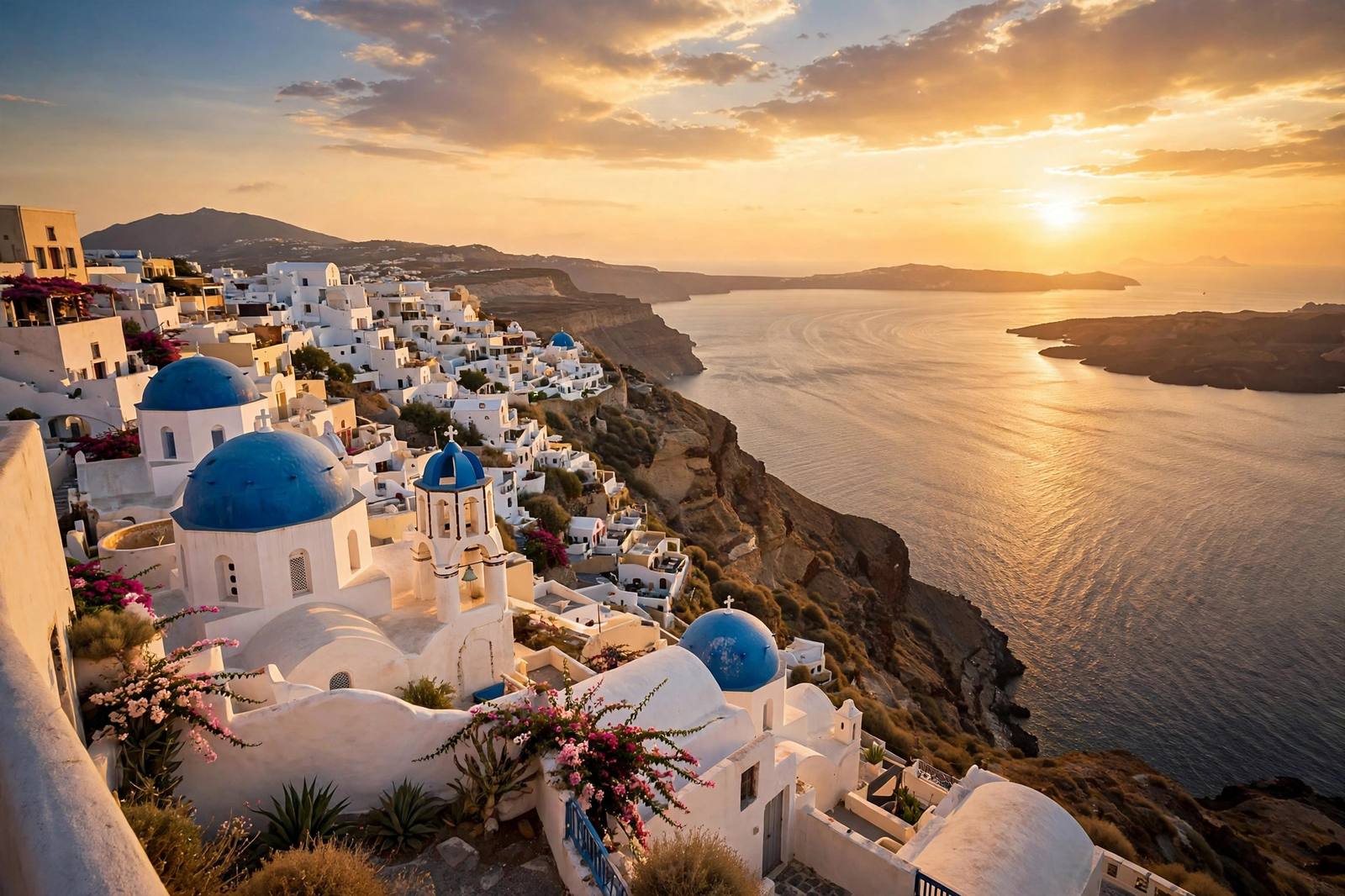
The meltemi peaks now. That dry northerly across the Aegean makes north-facing beaches unpleasant, turns ferry crossings choppy, and outright cancels high-speed ferries and small boats. The Cyclades cop it worst. Island-hopping in August without buffer days is asking for trouble — a cancelled ferry can strand you 24 hours.
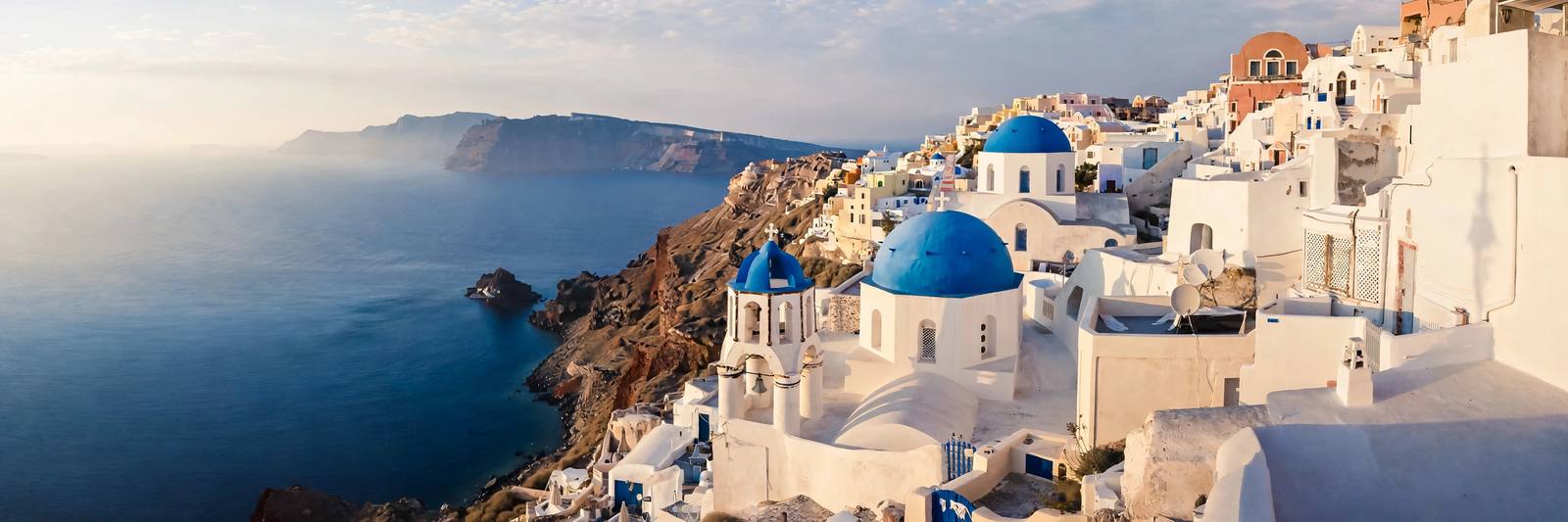
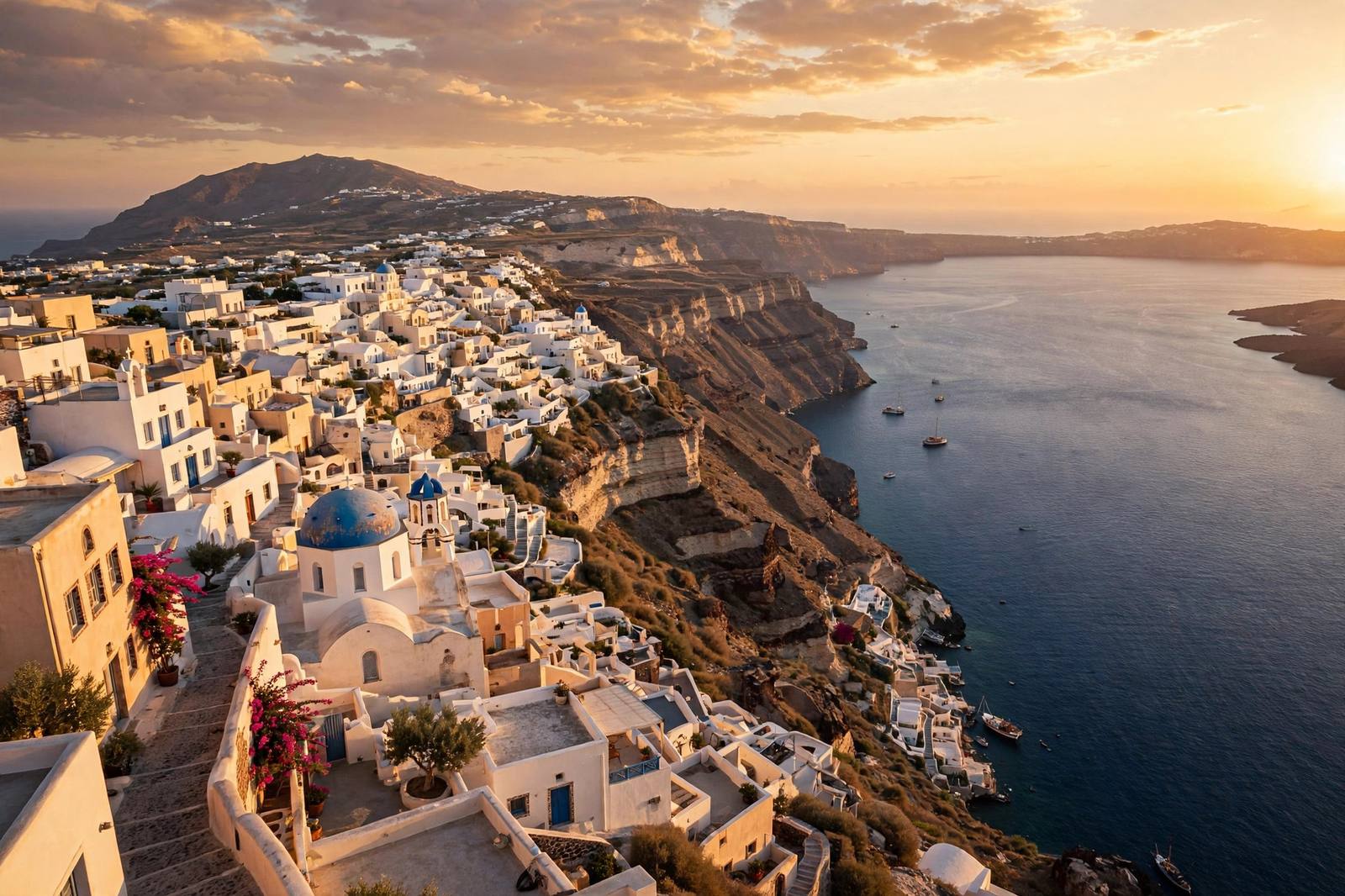
Santorini takes two to five cruise ships a day, all funnelled through Fira and Oia. Longest cable car queues of the year. Oia at sunset is shoulder-to-shoulder. Mykonos at full party volume — beach clubs packed by 10 AM, premium prices on everything.
Still: warmest sea (24–26°C), unmatched nightlife, and if you want the full Greek summer scene, this is it. Just bring a bigger budget and open eyes. Book ferries and hotels 4–8 weeks out minimum.
Quirky local detail: around August 15 (Dormition), Athenians flee the city en masse. Traffic drops by three-quarters, neighborhood restaurants close — but tourist sites stay fully open. Emptiest and most tourist-heavy Athens gets, simultaneously.
September: the insider's month
Ask experienced Greece travelers when to go and most will say September — then look around like they've shared a secret.
Warmest sea of the year (24–25°C). Meltemi easing. Crowds visibly thinning from the second week. Prices falling — by late September, hotels run 40–50% below August for essentially the same weather.
Early September still feels like summer: high 20s, everything open, busy but manageable. Late September is where it gets good — warm water, golden light, room to breathe, real price drops.
Athens in September is superb. Heat breaks, open-air concerts fill the calendar, Herodion season runs into autumn. Beach weather holds well into the month.
One watch-out: smaller islands start winding down in the last week. Visiting a tiny island? Confirm your hotel and restaurants are open for your exact dates.
October: the long tail
October is a tale of two halves. The first two to three weeks are genuinely good: daytime temperatures of 21–25°C, a sea still at 23–24°C (swimmable well into the month), thinning crowds, and prices at half to a third of August. It's excellent walking weather — the Fira-to-Oia caldera path in October, without the summer heat, is one of the best hikes in the Aegean.
From mid-October, things start closing. Beach bars shut, boat trips wind down, some hotels close for the season. Direct European flights to the islands run to late October, then stop. The clocks go back on the last Sunday of October, which suddenly shortens the evenings.
For Athens and the mainland, October remains strong — arguably better than September for sightseeing, with cooler air and autumn light. Crete and Rhodes, the largest islands, hold their season longest.
October rewards flexible travelers who don't need everything open. If your trip depends on beach clubs and daily boat trips, come in the first half of the month.
November and December: the quiet months
Late autumn and early winter strip Greece back to essentials. Daytime temperatures of 15–20°C in Athens, cooler on the islands, with the first real rain. Most island tourism infrastructure is closed. Ferries drop to winter schedules.
But Athens in November and December has its own appeal: the Athens Marathon in November, Christmas markets and lights in December, museums you'll share with a handful of people, and the lowest hotel prices of the year. Day trips to Delphi, Cape Sounion, and the Peloponnese work fine.
Just pack for rain and check what's open. This is a city-break season, not an island season.
Practical tips for timing your trip
Match the month to the activity, not the postcard. Swimming demands June through September. Ruins and hiking want April–May or September–October. Nightlife peaks July–August. There's no single best month — only the best month for what you want to do.
The meltemi is the hidden variable. Everyone plans around heat and crowds; fewer plan around wind. If your trip involves Aegean ferries or boat excursions, June and September are calmer than July and August. Check wind forecasts (not just weather) before booking boat days.
Book the shoulder like it's peak. May, June, September, and October are no longer secrets. The best caldera-view rooms, the well-located Athens hotels, and the convenient ferry times sell out 2–3 months ahead even outside August. Only the prices are shoulder; the demand for quality isn't.
Watch the cruise ship schedule for Santorini. On days with multiple ships in the caldera, Fira and Oia are crushed from mid-morning to late afternoon. Plan major sightseeing for early morning or check which days are heavy and schedule boat trips or beach days instead.
Easter moves. Greek Orthodox Easter doesn't follow the Western date — it can fall anywhere from early April to early May. Check the year's dates before booking spring flights; the week around Easter sees domestic travel surge and price spikes.
The Greek National Tourism Organisation publishes seasonal event calendars worth checking before you book. For flights, Athens International Airport lists direct routes by season.
Frequently Asked Questions
What is the absolute best month to visit Greece?
June and September, for most travelers. June has the longest days and warming seas with crowds still building; September has the year's warmest water with crowds thinning and prices falling. Pick June for maximum daylight and energy, September for the best swimming and value.
Is July or August better for Greece?
July, marginally. August adds the August 15 holiday crush, the year's peak prices, and the strongest meltemi winds. But the difference is small — both months are hot, busy, and expensive. If you must go in peak summer, early July beats late August.
Can you swim in Greece in May?
Yes, from late May. The sea reaches 19–20°C, which most swimmers find bracing but fine. Early May is cooler (17–18°C) — fine for a quick dip, less so for long swims. September and October are actually warmer for swimming than May.
When is the cheapest time to visit Greece?
November through March for the absolute lowest prices — up to 70% off peak hotel rates. But island services are minimal. For the cheapest month with beaches still viable, try late October or early May.
How far in advance should I book ferries?
For July and August, 4–8 weeks ahead for popular routes (Athens–Santorini, Athens–Mykonos). High-speed ferries sell out first. In shoulder season, 2–3 weeks is usually enough, though booking earlier gets better departure times.
Does the meltemi affect all Greek islands?
No — it's an Aegean phenomenon, strongest in the Cyclades (Mykonos, Santorini, Paros, Naxos). The Ionian islands (Corfu, Kefalonia, Zakynthos), Crete's south coast, and the Dodecanese are more sheltered. If you're wind-averse in July–August, head west or south.
Is Greece good in winter?
Athens is — museums, restaurants, day trips, and low prices make it a solid winter city break. The islands largely shut down. Don't plan an island-hopping trip between November and March unless you're specifically after solitude.
The bottom line
Greece rewards travelers who think in weeks, not just months. Early June and late September are different trips from late June and early September, and the price and crowd differences are real. The country's season is long — late April to late October — which means there's almost always a good window if you're flexible.
If you remember one thing: the sea is warmest in September, not August. That single fact, plus the thinning crowds and falling prices, makes late summer the smartest time to go.